Flight to Miyazaki, Kyushu gig at Lifetime (DAY 10)

Welcome to the official updates from the Joris Posthumus Group Japan tour 2026.

Japanese Version / 日本語版はこちら
日本語のツアー日記 (Japanese Tour Diary)Day 10: 宮崎へのフライト、そして Lifetime での九州初ギグこの日は Yanagi-san と私が宮崎へ飛ぶことになっていたため、午前10時頃にホテルをチェックアウトしなければなりませんでした。幸いなことに、フライトが14:00時頃の予定だったため、空港へ向かう時間までホテルに荷物を預かってもらうのは全く問題ありませんでした。1週間以上この街を旅してきたことで、東京が不思議なほど見慣れた場所に感じられ始めており、その朝に荷物をまとめながら、ツアーの第二部がもう始まろうとしているのだと実感しました。12:22に Otsuka Station で Yanagi-san と待ち合わせました。これまでのほぼ毎日がそうであったように、駅は仕事へと急ぐ人々、スーツケースを引きずる観光客、そしてホームに響き渡る絶え間ないアナウンスの音で活気に満ちていました。Otsuka から Yamanote Line で Ueno 方面へ向かい、Hamamatsucho Station で乗り換えて Haneda Airport 行きのモノレールに乗り込みました。何度も日本を訪れているにもかかわらず、Haneda へ向かうモノレールの乗車は今でも未来的に感じられます。景色は密集した都市のビル群から、より広い工業地帯や空港を囲む水辺へとゆっくりと変わっていきます。Otsuka から Haneda までの移動全体で約45分かかり、間もなく出発ターミナルに到着。荷物を預けてゲートへと向かいました。搭乗までたっぷりと時間があったため、ドリンクを買い、しばらくの間リラックスして過ごしました。空港という場所は、私にとっていつも不思議な「中間の感覚」を生み出します。頭の中ではすでに一つの場所を離れているものの、まだ次の場所には到着していないという感覚です。東京での日々は激しく、混雑し、音楽的で、出会いに満ちていましたが、ここからは旅の舞台が日本のより地方のエリアへと移っていくことになります。フライト自体は約1時間45分でした。飛行機の窓から外を眺めていると、雲の下の景色がゆっくりと変わっていくのが見えました。東京の果てしなく広がる都市の景観が、やがて緑豊かな風景、山々、そして海岸線へと姿を変えていきました。宮崎に到着すると、すぐに完全に異なる世界に足を踏み入れたかのような感覚を覚えました。空港の外ではヤシの木が私たちを迎え、温かい空気は東京に比べてより柔らかく、南国のような雰囲気を持っていました。すぐに時間の流れが遅くなったように感じられました。光の加減さえも、どこか違って見えたほどです。スケジュールがかなりタイトだったため、Yanagi-san の提案で、ローカルの交通機関を調べる代わりにタクシーで直接ホテルへ向かうことにしました。短い乗車中にも、東京に比べて周囲がいかに静かであるかにすぐに気がつきました。交通量は少なく、巨大なビルもほとんどなく、全体としてはるかに穏やかな空気が流れていました。ホテルにチェックインして部屋に荷物を置くと、すぐに下の階へ戻り、会場へと向かいました。Jazz Bar Lifetime は長い歴史を持ち、50年以上にわたって営業を続けています。その場所に足を踏み入れると、まるでジャズ文化に捧げられた博物館に入ったかのような感覚になりました。壁は古いポスター、色褪せた写真、そして何十年もの間にここを通り過ぎていったミュージシャンたちのサインで埋め尽くされていました。クラブのあらゆる角が、別の時代の物語を宿しているかのようでした。オーナーもまた、その雰囲気をさらに引き立てていました。彼はユーモアがあり、いたずらっぽさもある人で、音楽と会話の両方を心から愛しているのが伝わってきました。Lifetime のような場所は、今やますます希少になっています。純粋に音楽への愛だけで構築され、人々が戻ってき続けるからこそ、何十年もの歳月を生き抜いてきたクラブです。このコンサートは、私の日本ツアーの第二部の始まりを告げるものでした。ピアノの Shunichi Yanagi、ダブルベースの Tomo Nakayama、そしてドラマーの Katsunari Furuchi と共に、私たちは4つのコンサートを共に行うことになっていました。Katsunari は都城市で Old Earth という自身のジャズクラブを経営しており、残りの3公演はそこで行う予定です。実は、この Lifetime での公演は、計画のプロセスの後半になって追加されたものでした。また、Tomo Nakayama と一緒に演奏するのも今回が初めてのことでした。日本でのツアーの素晴らしい点の一つは、これまでに会ったことのないミュージシャンと突然一緒に演奏することになりながらも、音楽がほとんど一瞬にして独自の方向性を見出していくことがよくある、という点です。手早くサウンドチェックを終えた後、楽屋で自家製の日本式カレーをいただきました。まさにコンサートの前に必要としていた、ホッとする食事でした。ツアー中、こうした小さなディテールはいつも心に残ります。日本のジャズクラブにおけるおもてなし(ホスピタリティ)は、多くの場合、信じられないほど温かく個人的なものです。音楽面では、このバンドは私が東京で一緒に演奏してきたグループとは全く異なるエネルギーを持っていました。Katsunari は、音楽を絶えず前方へと押し進める熱い情熱(フィアリーなインテンシティ)を持ってプレイし、それが私に反応し、リスクを取るためのスペースを生み出してくれました。一方で Tomo-san は、すべてのベースにおいて力強く安定したアンカー(錨)であることを証明してくれました。一緒に演奏したことがなかったにもかかわらず、音楽はすぐに自然なフローへと落ち着いていきました。Lifetime の観客は、深い集中力を持って、しかし同時に温かさと熱意を持って耳を傾けてくれました。そのバランスこそ、私が日本でよく遭遇するものです。人々が本当に真剣に聴いてくれながらも、リラックスして歓迎されていると感じる雰囲気を作り出してくれるのです。コンサートの後、私はオーナーと、クラブの歴史や長年にわたって物事がどのように変わってきたかについて、かなりの時間語り合いました。数十年前に初めて会場をオープンした頃に比べて、ジャズの人気は落ちてしまったのかと彼に尋ねました。彼の答えは素早く、そして自信に満ちていました。「いや、それほど変わっていないよ」。彼によると、50年以上の歴史を通じて、ジャズ愛好家やミュージシャンたちの絶え間ない流れが、常にこのクラブを通り過ぎていったのだそうです。この会場にまつわる物語の一つに、Sonny Rollins に関するものがありました。彼のサイン入りポスターが壁に何枚か掛けられていました。どうやら、Rollins はかつてジャズフェスティバルのために宮崎を訪れたものの、台風のせいで直前になってイベントがキャンセルになってしまったのだそうです。結局、彼はサウンドチェックとビーチでのプロモーション写真を数枚撮影しただけで、再び出発せざるを得なかったとのこと。そのような物語が、なぜか Lifetime のような場所の神話(ミソロジー)の一部になっていくのです。宮崎自体は、太陽の降り注ぐ雰囲気、リラックスしたライフスタイル、そして素晴らしい食、特にあの有名な宮崎の wagyu ビーフで知られています。多くの日本人が、休日や結婚式、ゴルフ旅行のためにここを訪れます。東京に比べると、すべてがより穏やかで、温かく、そして自然や田舎の風景とはるかに深く繋がっているように感じられました。私はすでに、翌日に都城市へ移動することを楽しみにしていました。Yanagi-san と私は一緒に列車で向かう予定で、それは2024年の前回の訪問の際にも経験したことのあるルートでした。当時、その旅は私に曲を一曲書き上げるほどのインスピレーションを与えてくれたものであり、その景色をもう一度体験できることに好奇心をそそられていました。

Because Yanagi-san and I would be flying to Miyazaki that day, I had to check out of the hotel around 10 in the morning. Luckily it was no problem to leave my luggage at the hotel until it was time to head to the airport, as our flight was only scheduled for around 14:00. Tokyo had started to feel strangely familiar after more than a week of travelling through the city, and while packing my bags that morning I realised the second part of the tour was already about to begin.
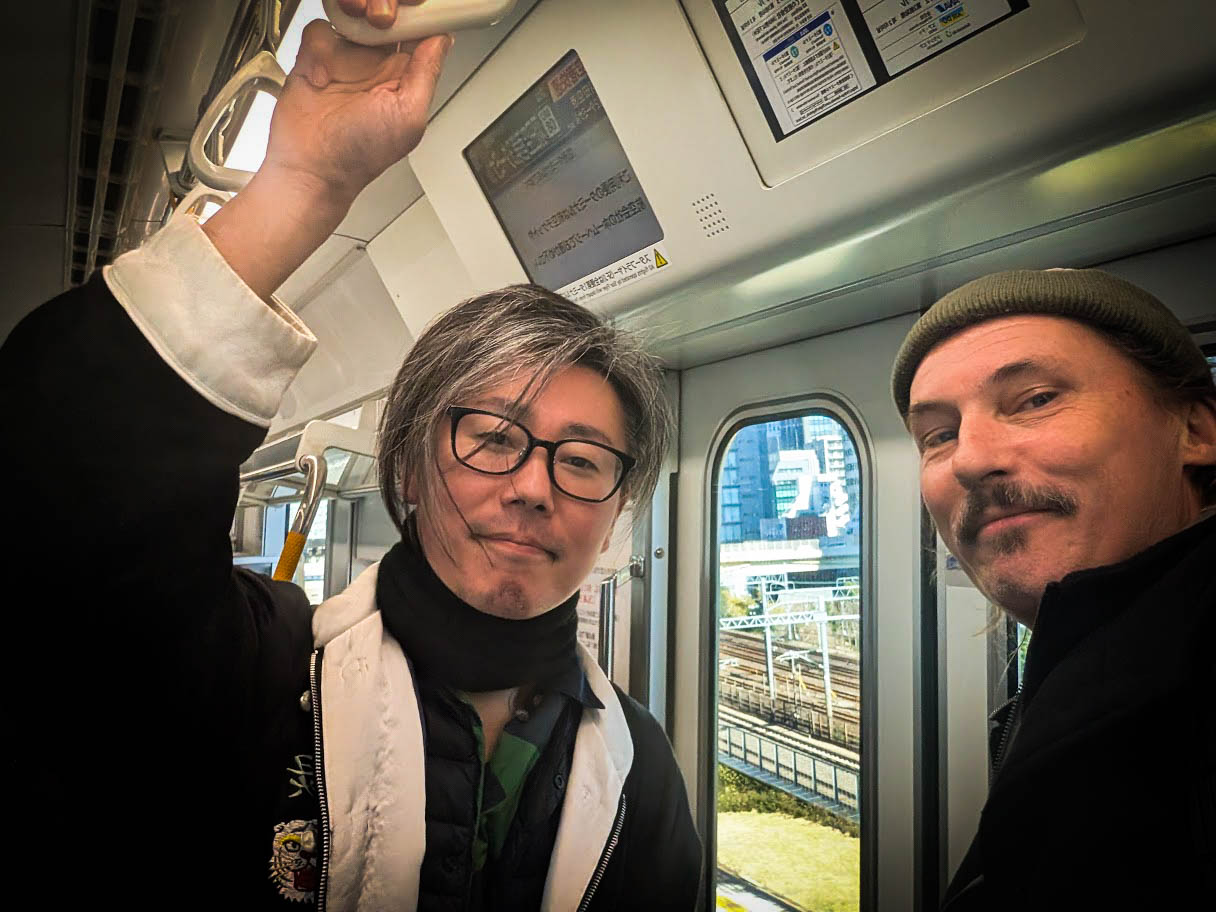
At 12:22 I met up with Yanagi at Otsuka Station. Like almost every day so far, the station was filled with movement: people rushing to work, tourists dragging suitcases around and the constant sounds of train announcements echoing through the platforms. From Otsuka we took the Yamanote Line toward Ueno and changed trains at Hamamatsucho Station to catch the monorail toward Haneda Airport.
Even after several visits to Japan, the monorail ride toward Haneda still feels futuristic to me. The scenery slowly changes from dense city blocks to wider industrial areas and stretches of water surrounding the airport. The whole trip from Otsuka to Haneda took around 45 minutes and before long we arrived at the departure terminal, where we dropped off our luggage and made our way toward the gate.
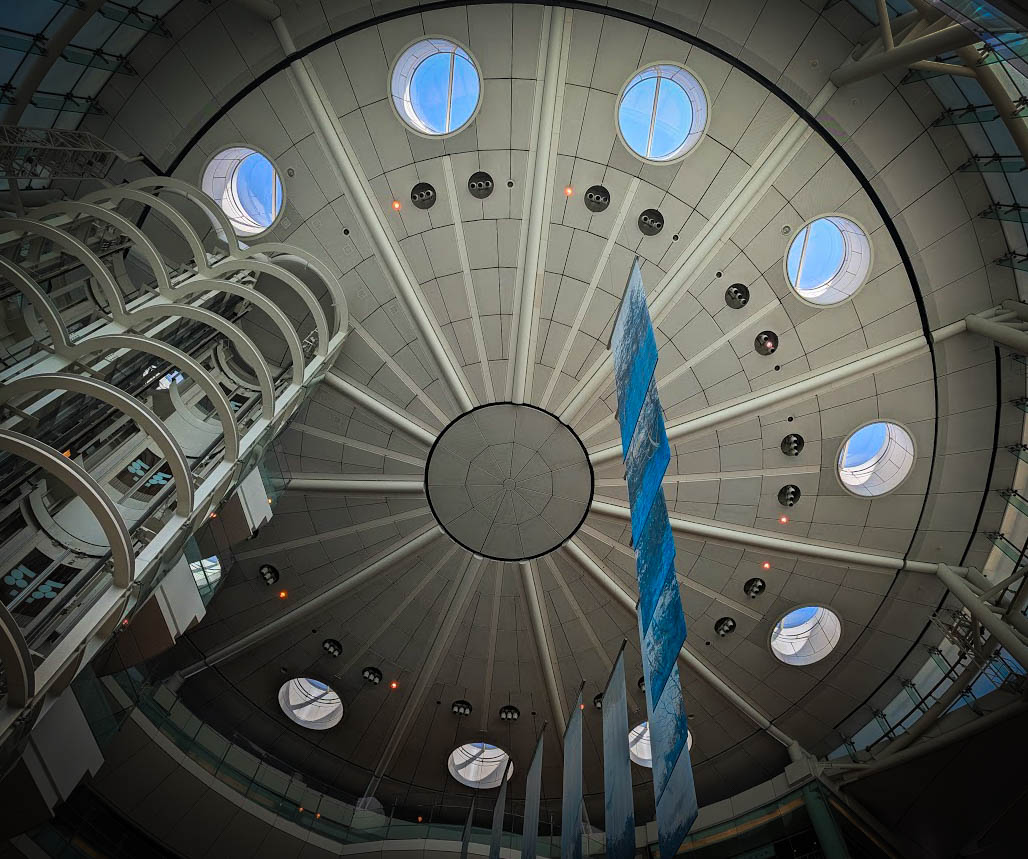
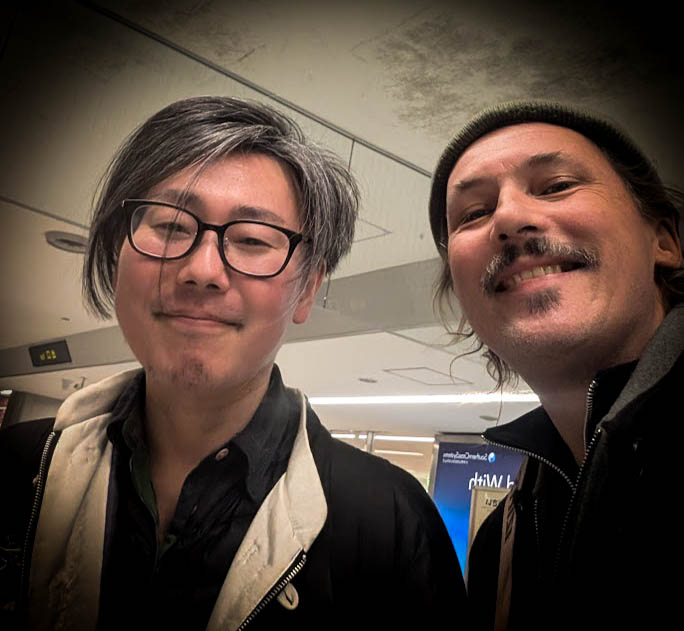
Because we had plenty of time before boarding, we grabbed some drinks and relaxed for a while. Airports always create a strange in-between feeling for me — mentally already leaving one place while not yet arriving in the next. Tokyo had been intense, crowded, musical and full of encounters, but now the trip would move toward a more rural part of Japan.
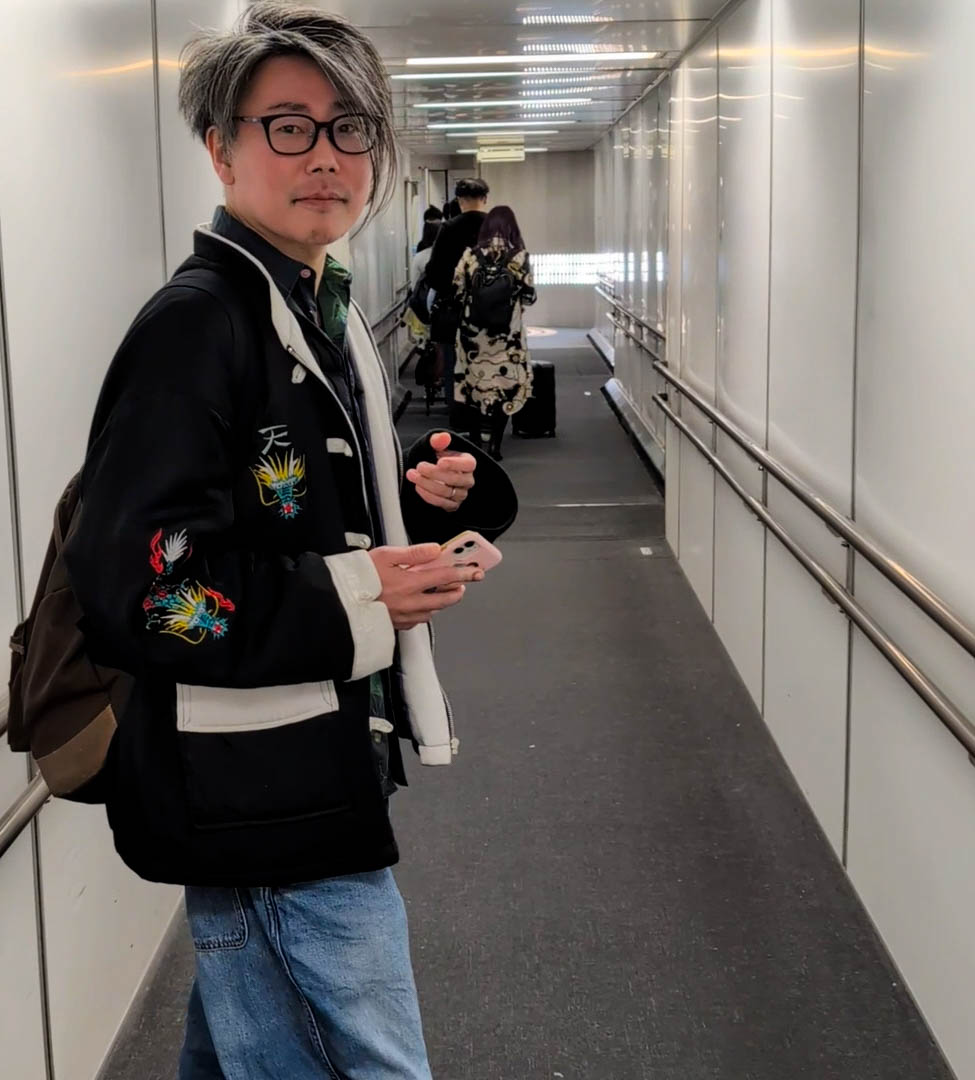
The flight itself took around one hour and forty-five minutes. Looking out of the airplane window, I could slowly see the landscape changing beneath the clouds. Tokyo’s endless urban sprawl eventually gave way to greener scenery, mountains and coastline.
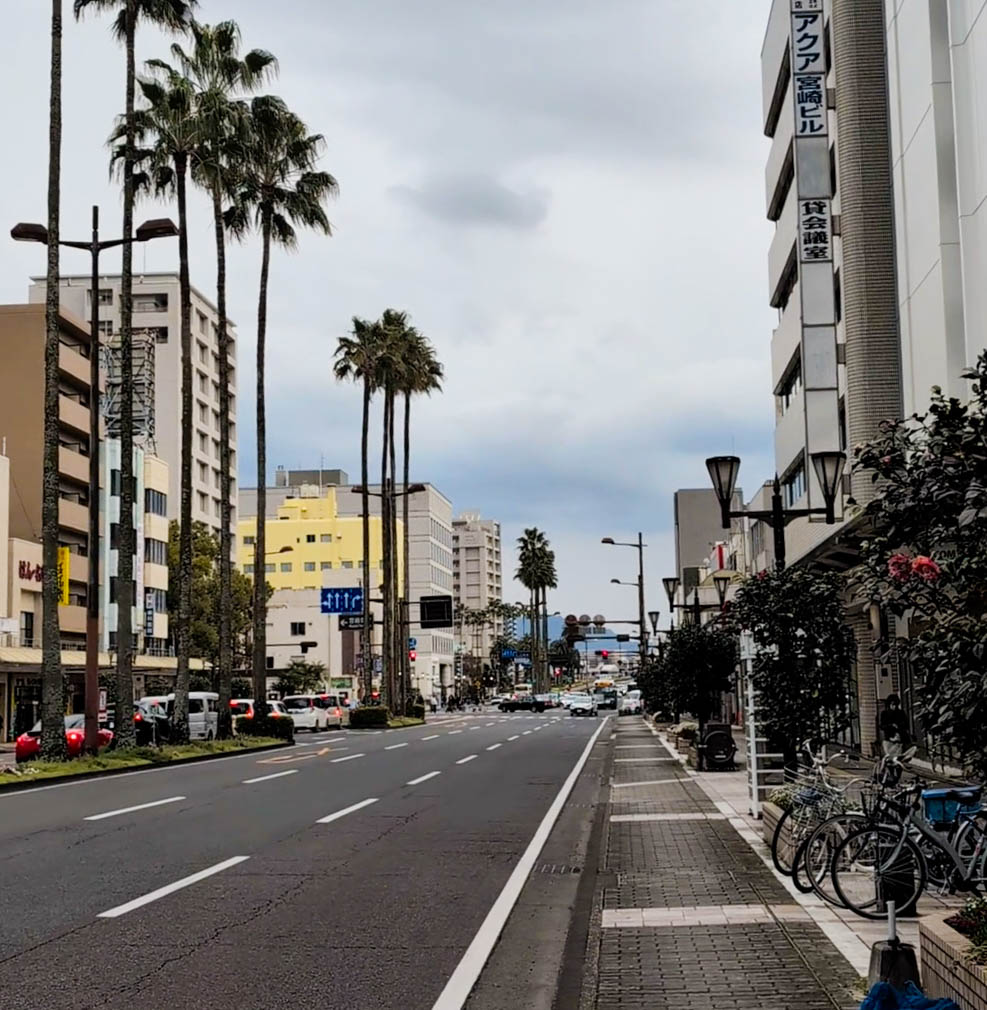
Arriving in Miyazaki immediately felt like entering a completely different world. Palm trees welcomed us outside the airport and the warm air had a softer, more tropical feeling compared to Tokyo. The pace seemed slower right away. Even the light somehow looked different.
Because our schedule was fairly tight, Yanagi-san suggested taking a taxi directly to the hotel instead of figuring out local transport. During the short ride I could already notice how much quieter everything was compared to Tokyo. Less traffic, fewer giant buildings and a much calmer atmosphere overall. After checking into the hotel we dropped our bags in the room and quickly headed back downstairs to make our way to the venue.
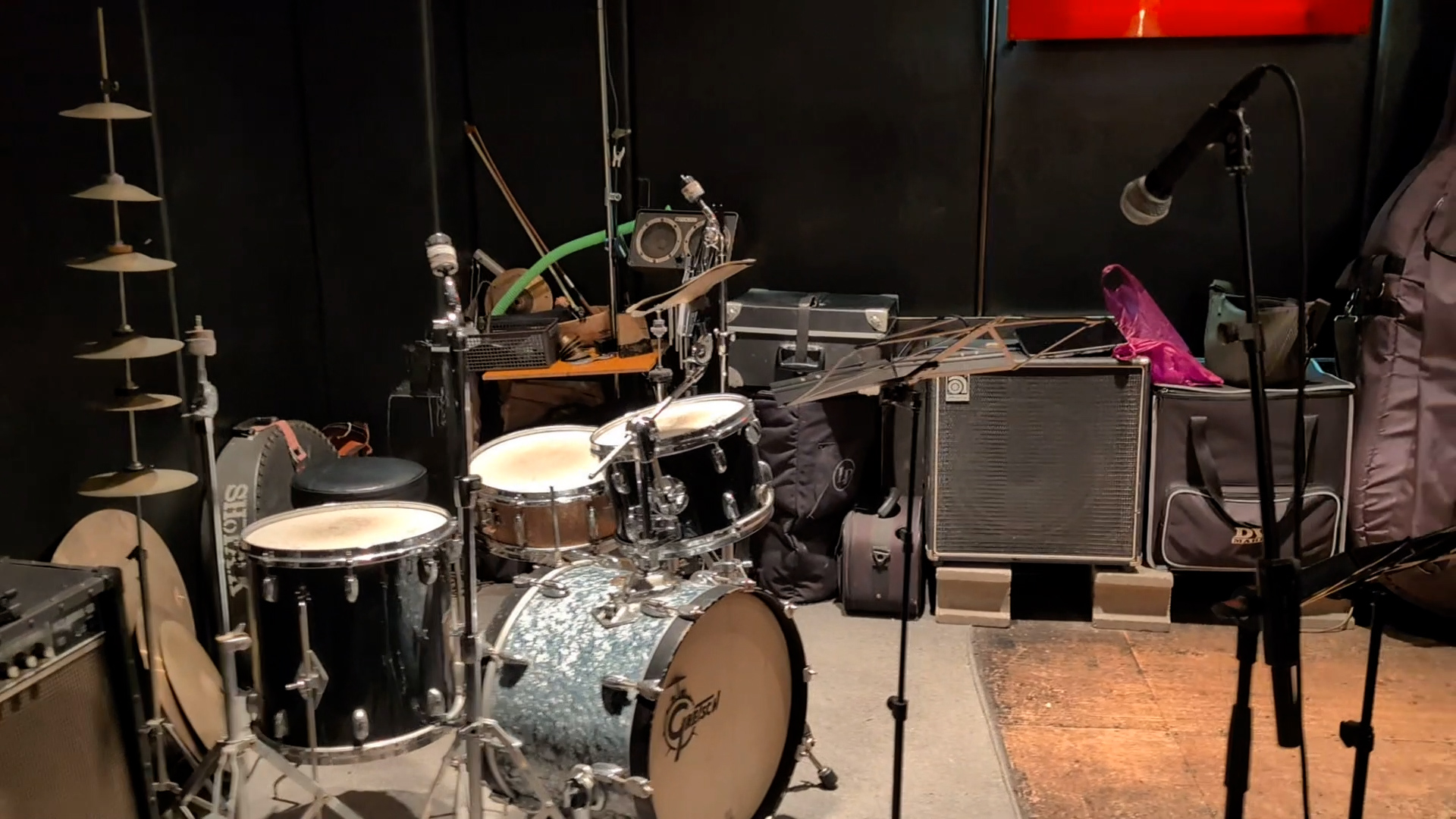
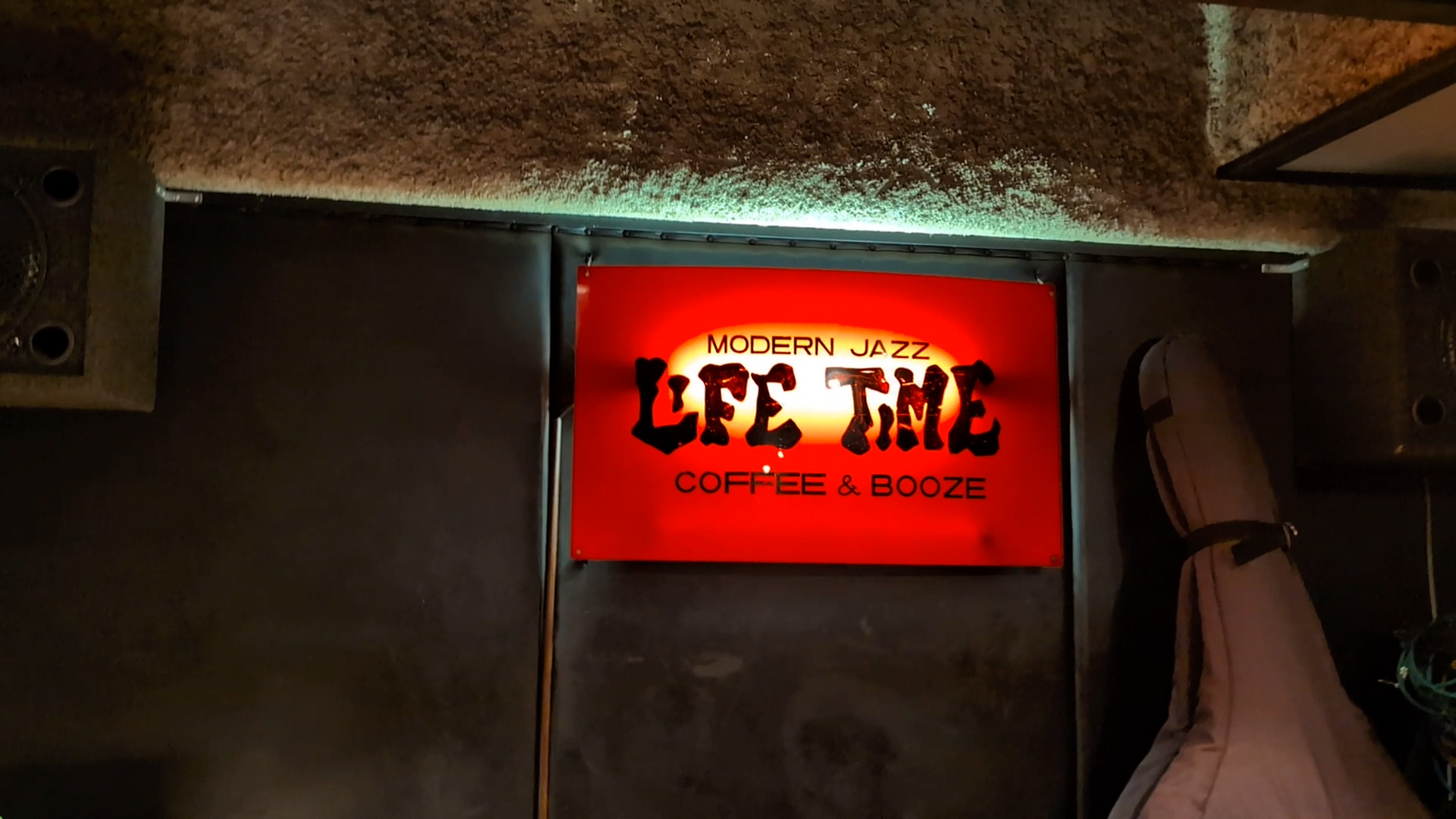
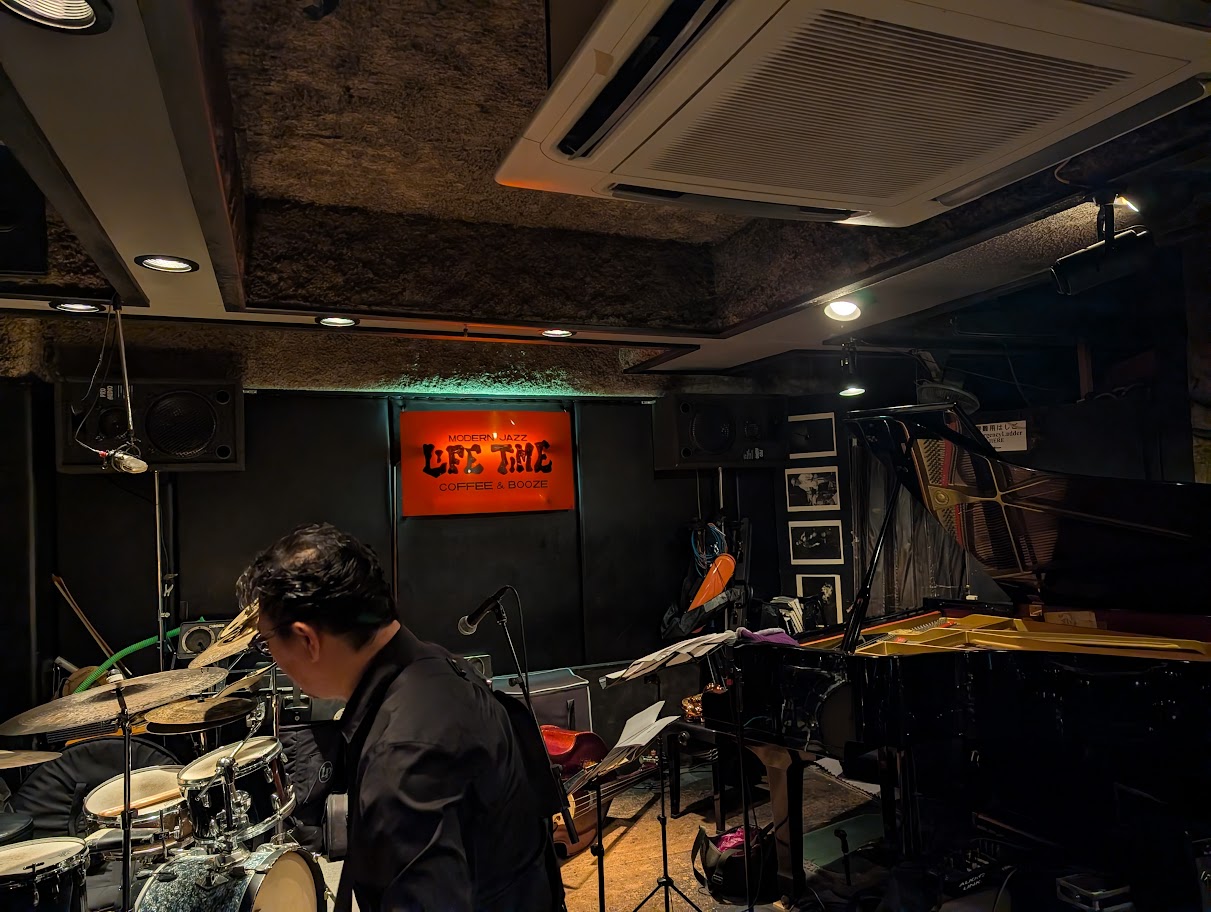
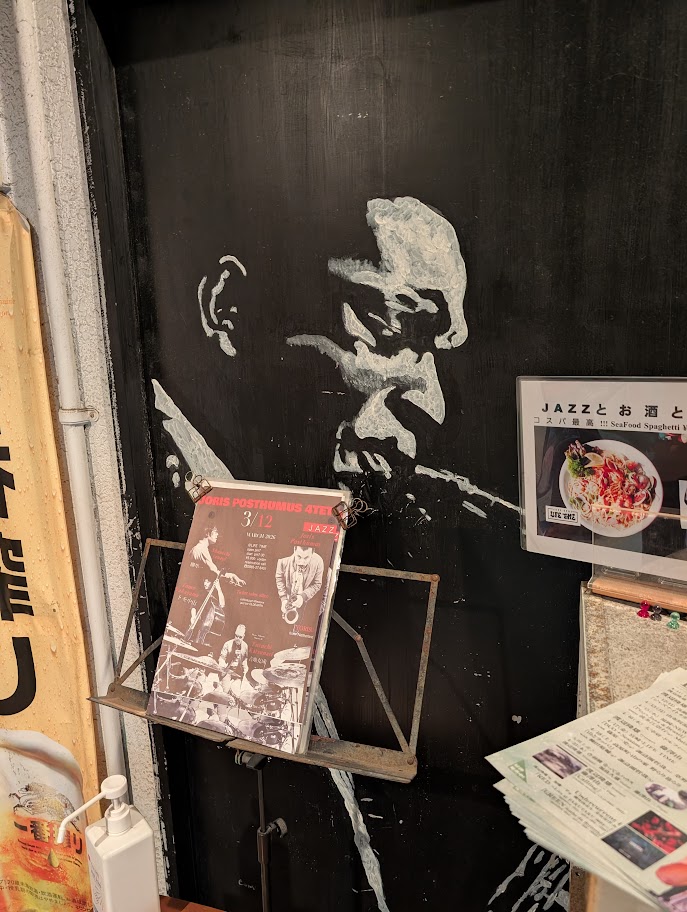
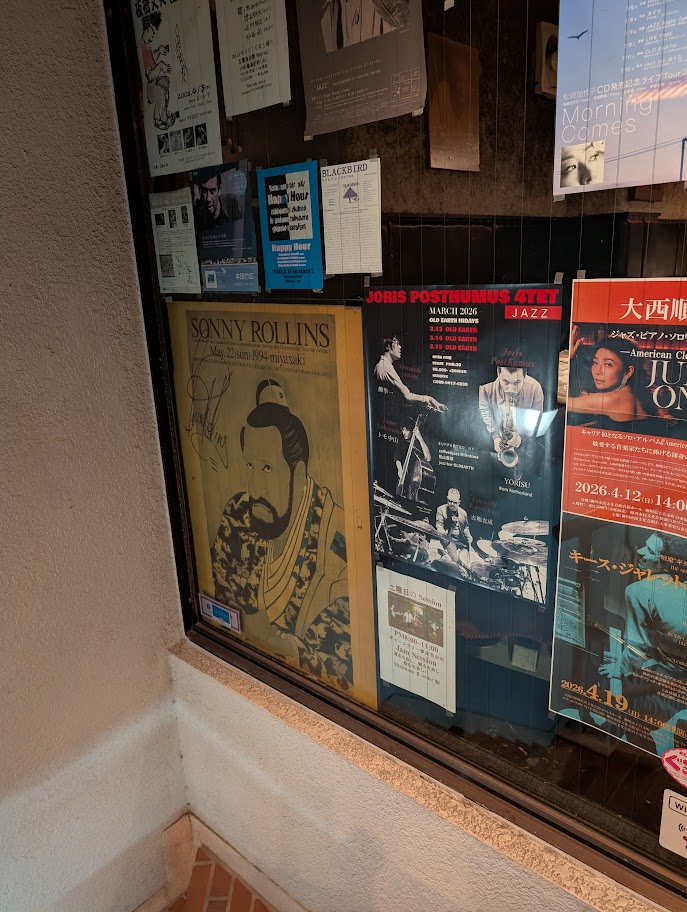
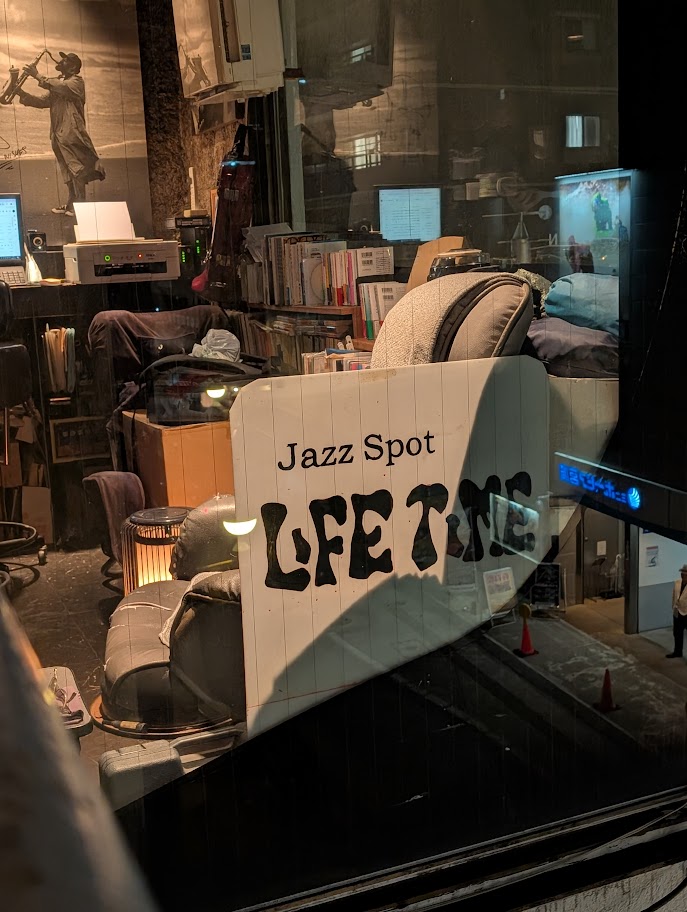
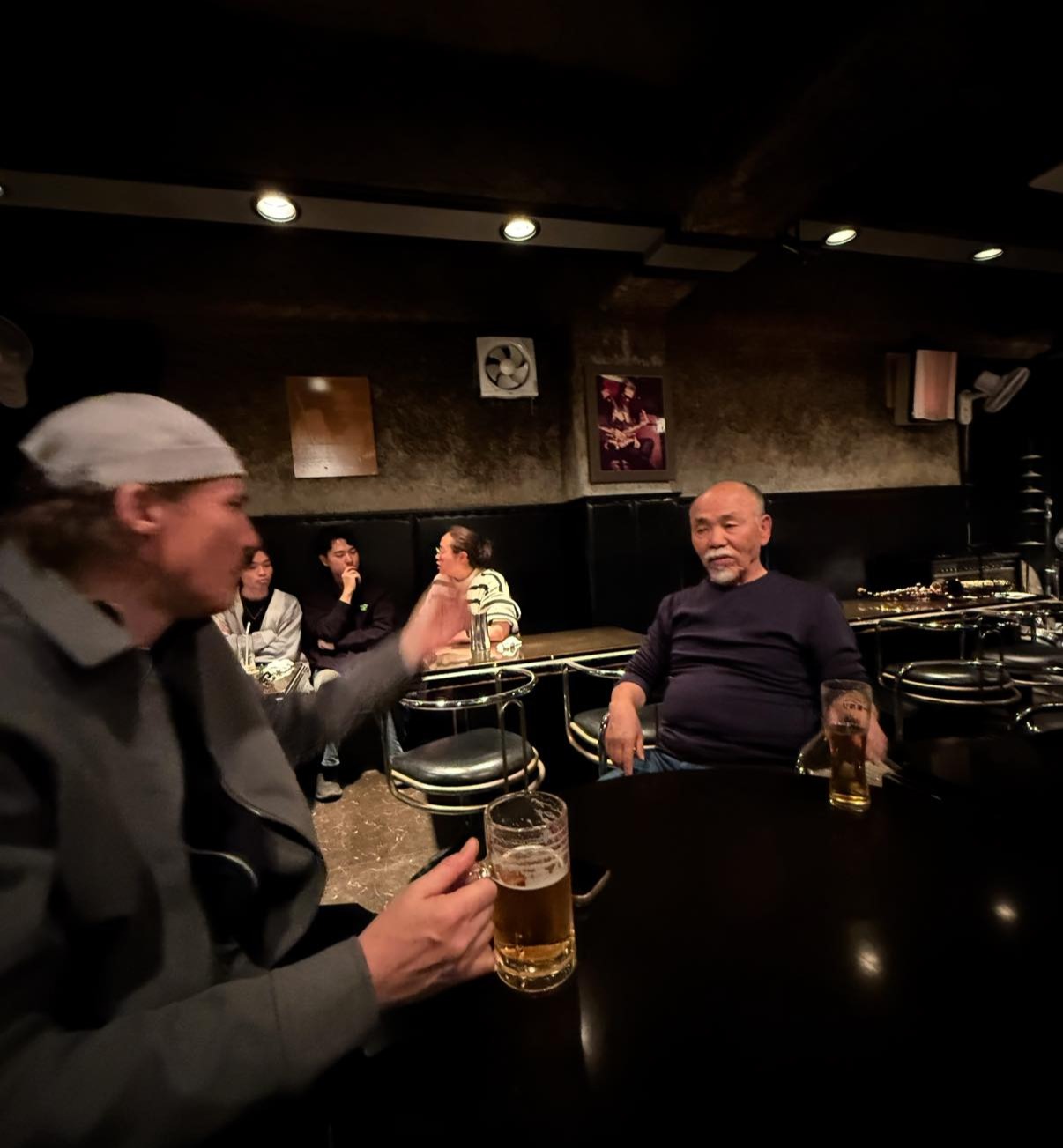
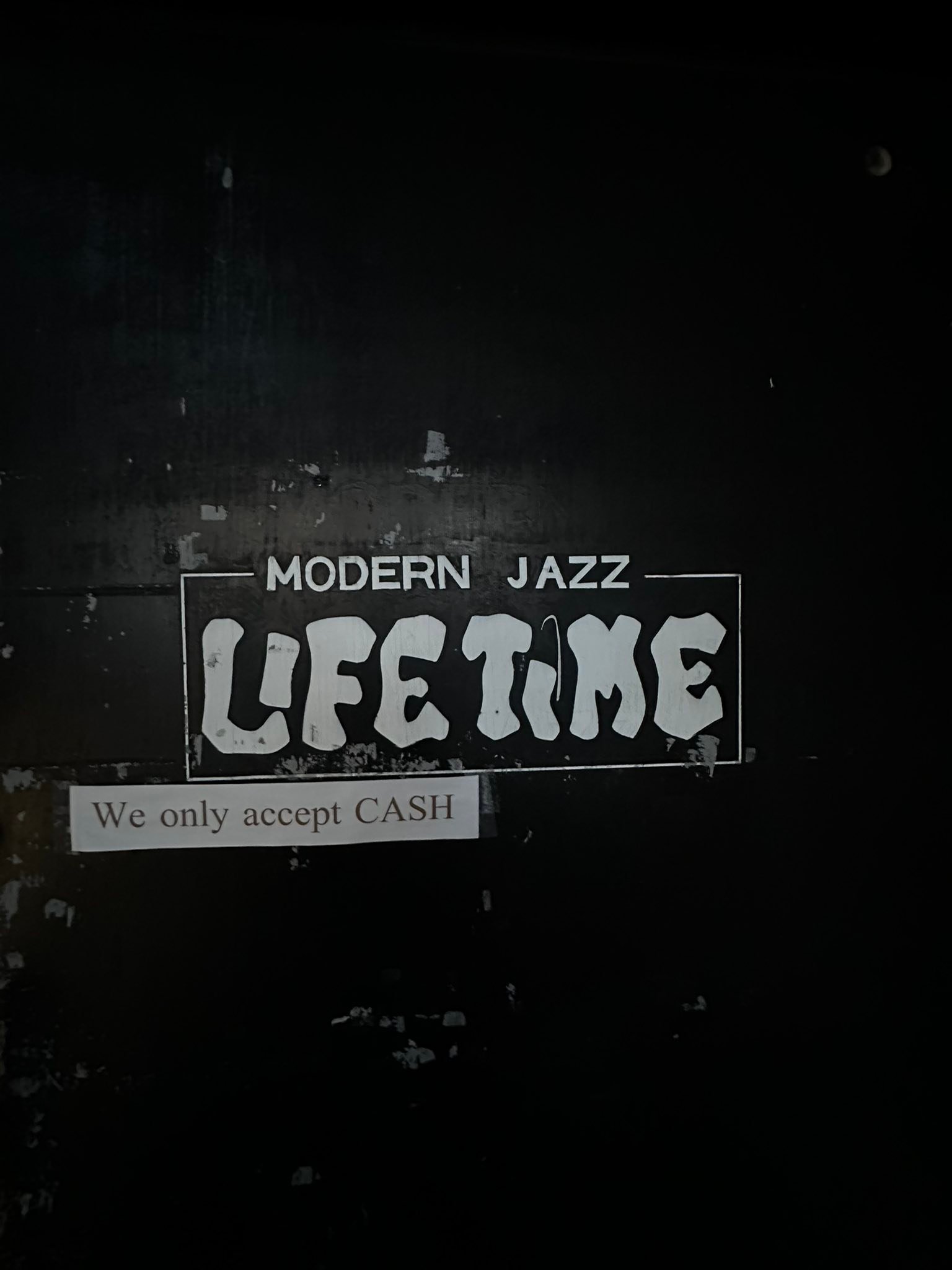
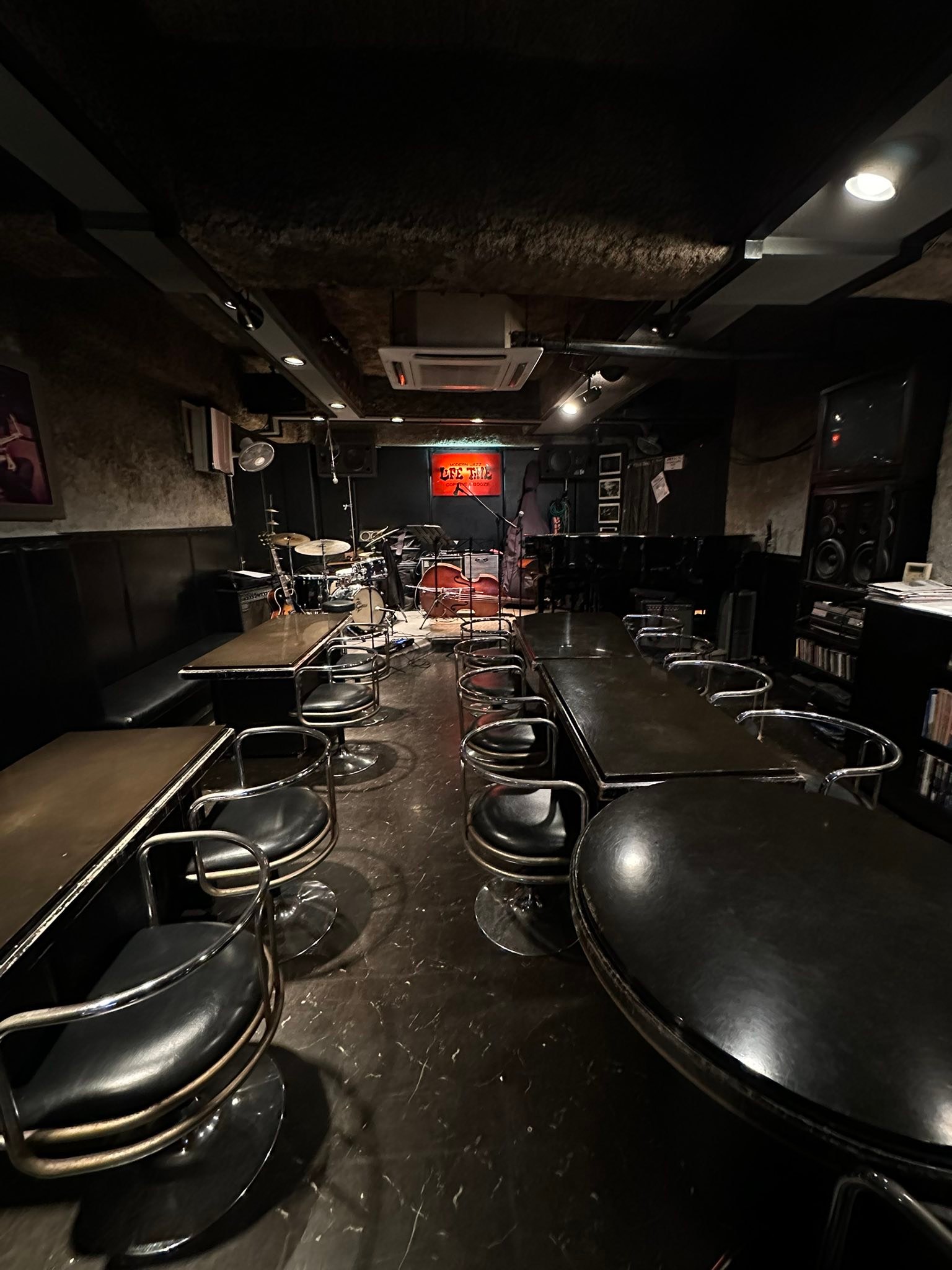
Jazz Bar Lifetime has a long history and has been active for more than fifty years. Walking into the place felt almost like entering a museum dedicated to jazz culture. The walls were covered with old posters, faded photographs and signatures from musicians who had passed through over the decades. Every corner of the club seemed to carry stories from another era.
The owner, Mr. Kusano immediately added to that atmosphere. He was a funny, teasing kind of guy who clearly loved both music and conversation. Clubs and bars built purely around love for the music, surviving decade after decade because people keep returning to them.
This concert would mark the beginning of the second part of my Japan tour. Together with Shunichi Yanagi on piano, Tomo Nakayama on double bass and Katsunari Furuchi on drums, we would play four concerts together. Katsunari runs his own jazz club called Old Earth in Miyakonojo, where we would perform the remaining three dates. The Lifetime performance had actually been added later during the planning process.
It would also be my first time playing together with Tomo Nakayama. One of the beautiful things about touring in Japan is how often you end up playing with musicians you have never met before, yet somehow the music almost immediately finds its own direction.
After a quick soundcheck we were served homemade Japanese-style curry backstage, exactly the kind of comforting meal needed before a concert. Small details like this always stay with me during tours. The hospitality at jazz clubs in Japan is often incredibly warm and personal.
Musically this band had a very different energy compared to the groups I had played with in Tokyo. Katsunari played with a fiery intensity that constantly pushed the music forward, creating space for me to respond and take risks. Meanwhile Tomo-san proved to be a strong and steady anchor underneath everything. Even though we had never played together before, the music quickly settled into a natural flow.
The audience in Lifetime listened with deep concentration but also with warmth and enthusiasm. That balance is something I encounter often in Japan: people truly listening while still creating an atmosphere that feels relaxed and welcoming.
After the concert I spent quite some time talking with the Kusano San about the history of the club and how things had changed over the years. I asked him if jazz had become less popular compared to when he first opened the venue decades ago. His answer came quickly and confidently: no, not really. According to him, there had always been a steady flow of jazz lovers and musicians passing through the club during its more than fifty-year existence.
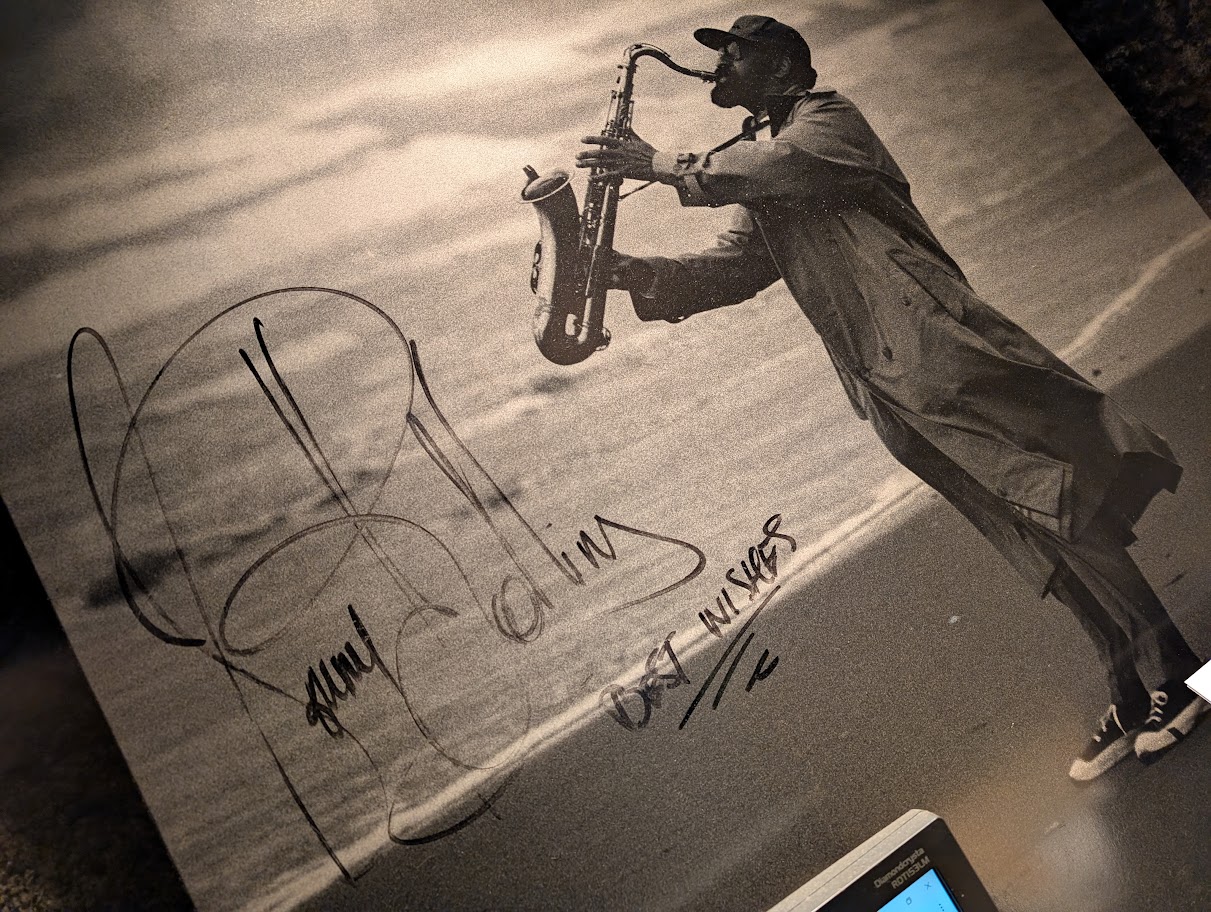
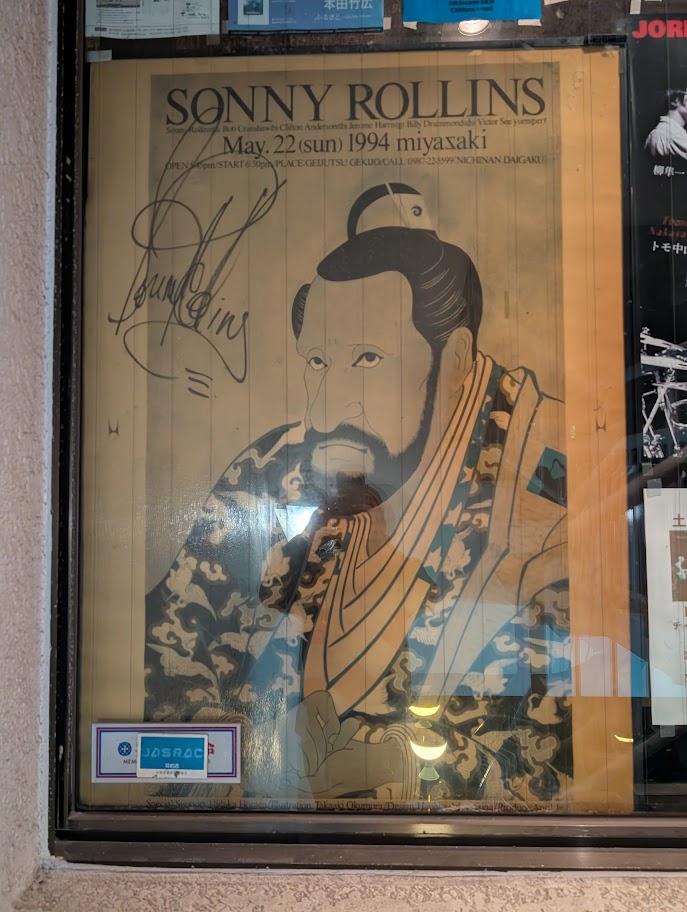
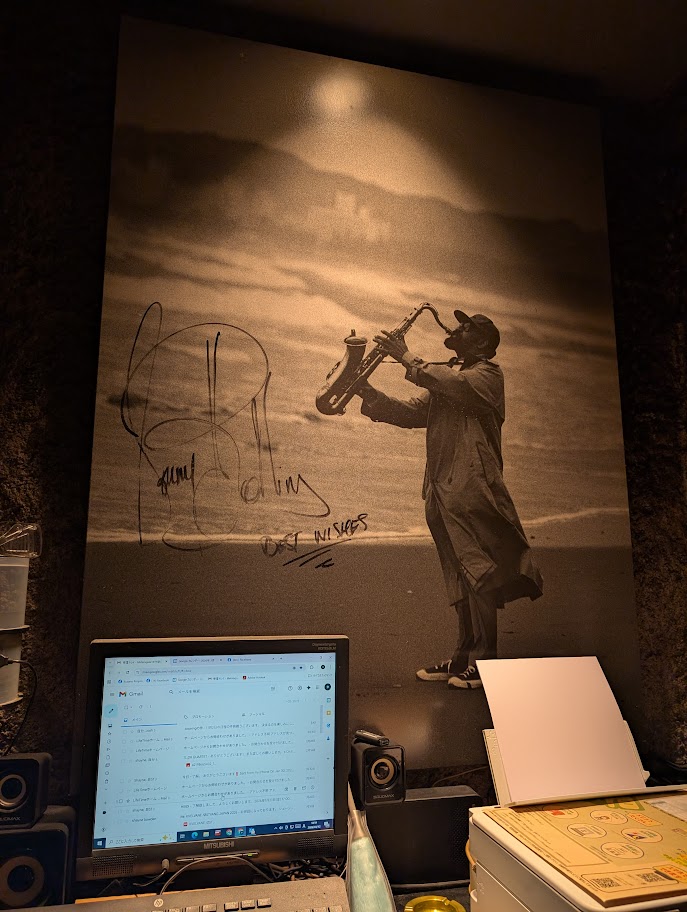
One of the stories connected to the venue involved Sonny Rollins. Several signed posters of him were hanging on the walls. Apparently, Rollins had once travelled to Miyazaki for a jazz festival, but the event ended up being cancelled at the last minute because of a typhoon. In the end he only managed to do a soundcheck and some promotional photos on the beach before leaving again. Stories like that somehow become part of the mythology of places like Lifetime.
Miyazaki itself is known for its sunny atmosphere, relaxed lifestyle and excellent food — especially the famous Miyazaki wagyu beef. Many Japanese people travel there for holidays, weddings and golf trips. Compared to Tokyo, everything felt calmer, warmer and much more connected to nature and the countryside.
I was already looking forward to travelling to Miyakonojo the next day. Yanagi-san and I would take the train there together, a ride I already knew from a previous visit in 2024. Back then the journey had inspired me enough to write a tune about it, and I was curious to experience that landscape once again.