Japan 2026 — A Trip with New Music, New Places, and New Faces (DAY 1,2)
Welcome to the official updates from the Joris Posthumus Group Japan tour 2026.
Japanese Version / 日本語版はこちら
日本語のツアー日記 (Japanese Tour Diary)Japan 2026 — 新しい音楽、新しい場所、新しい顔ぶれを迎えたツアー今回で8回目となる日本への旅。年を重ねるごとに、この国は不思議なほど見慣れた場所に感じられるようになっていました。しかし、今回は違います。今回のツアーでは、新しいミュージシャンたちと出会い、新しい会場で演奏し、ここ数ヶ月間書き溜めてきた新曲のいくつかを試すことになっていたからです。2026年3月、私の音楽探求の旅が、いよいよ始まりました。いつも通り、専属ドライバー(?)の Jelle-san にアムステルダム・スキポール空港まで送ってもらいました。チェックインを済ませ、フライト前のいつものルーティンへ。空港ならではの雰囲気を味わえる Frames というお気に入りの場所に向かいました。ここは主に、高すぎるドリンクで知られている場所でもあります。日本へ旅立ち始めた頃は、まだそこに喫煙エリアがありました。そんな時代はもう遠い昔のことです(少なくともオランダでは)。白ワインを2杯楽しんだ後、ゆっくりとゲートへ向かい、成田国際空港までの14時間の旅を共にする飛行機に乗り込みました。フライト中はかなりの揺れがあり、まともに眠ることはできませんでした。シベリア上空のどこかで、機内は長距離フライト特有のあの奇妙な静寂に包まれていました。明滅する映画のスクリーン、飲みかけのドリンク、そして宙に浮いたタイムゾーンの中で過ごす人々。日本への降下を始める頃には、自分の身体が今何時を指しているのか、さっぱり分からなくなっていました。8つのタイムゾーンを越え、疲れ果てながらも興奮を胸に成田に到着。事前にオンラインで税関手続きを済ませていたため、驚くほどスムーズに入国できました。メインロビーでドリンクを買い、リフレッシュ。旅の最初の滞在先である東京の Otsuka エリアへと向かいました。何度も訪れているにもかかわらず、東京に到着するといつも同じ特別な感覚を覚えます。整然とした人々の動き、駅のメロディ、チリ一つないプラットフォーム、周囲のすべてが持つ静かな正確さ——。それらが一瞬にして、私を全く異なるリズムへと引き込んでいくのです。京成スカイライナーで都心へ向かい、日暮里駅で山手線に乗り換えました。そこから Otsuka までは、ほんの短い乗車です。ホテルは駅から歩いてすぐの場所にありました。荷物を置くとすぐに、以前の旅で見つけたお気に入りのローカルスポットへ、今回最初のラーメンを食べに行きました。そこはこぢんまりとした地元密着型のお店で、麺をすする音、器が触れ合う音、低く響く話し声で満ちていました。幸いなことに、券売機には英語のオプションもありました。トッピングを全部のせたフルセットを注文。1,150円。ユーロに換算して約6ユーロ。信じられないほどお得です。料理人が厨房に向かって威勢よくオーダーを叫ぶ中、丼からは湯気が立ち上っていました。外では、光る看板や複雑に入り組んだ電線の下を、冷たい夜気の中で人々が足早に行き交っていました。最後の一滴までスープを飲み干した後、数軒先にあるいつもの Starbucks へ。天気は寒かったものの、すっきりと晴れていたため、店内に席を見つけて espresso を注文しました。そして、外の通りを行き交う人々を眺めていました。駅へと急ぐサラリーマン、狭い路地を静かに通り過ぎる自転車、そして自動ドアが開くたびに、数分おきに駅のアナウンスの断片が流れ込んできました。その夜遅く、ピアニストの Yanagi-san に連絡をとり、どこかで演奏しているか尋ねてみました。もちろん、彼は演奏していました。高田馬場駅の近くでのギグ。以前の旅からよく知っているエリアです。高田馬場には、若いミュージシャンたちが腕を磨く、深夜のジャムセッションで有名な Intro もあります。会場へ向かう途中で通りかかると、好奇心に抗えず、階段を上がって中を覗いてみました。店内は超満員でした。廊下までもが、楽器ケースやタバコを持ったミュージシャンたちで溢れ返り、自分たちの番を待ちながら静かに話し込んでいました。奥からは、ライドシンバルの音と、空間を切り裂くようなテナーサックスの音がかすかに聞こえてきました。Yanagi-san の出演している会場を見つけるのには、少し苦労しました。日本には、隠れた入り口の奥や雑居ビルの上の階に、バーやレストラン、練習スタジオ、そして小さなライブハウスが数多く密集しているからです。結局、外でタバコを吸っていた地元の人に道を尋ねました。冷たい夜気の中にタバコの煙が立ち上る中、彼はスマホで住所を確認し、正しい方向を教えてくれました。Yanagi-san との再会は最高でした。私が到着した時にはバンドはすでに演奏を始めていましたが、オーナーが温かく迎え入れて席を用意してくれ、すぐにドリンクが運ばれてきました。そこはまさに、クラシックな東京のジャズクラブの雰囲気そのものでした。薄暗い照明、密集したテーブル、床を這うケーブル、壁に貼られた手書きのポスター、誰かがソロを弾くたびに訪れる完全な静寂。Yanagi-san は、最後に会った時から劇的な成長を遂げていました。バンドの中で最も若いメンバー——まさに不動の「末っ子(ベンジャミン)」である彼の音楽的な進化は一目録然で、彼の演奏を聴くのは本当に楽しい時間でした。同時に、テナーサックス奏者の Yuki Nakae とも連絡を取り合っていました。彼は近くでレッスンを終えたところで、私が書いた新しい譜面をチェックしてくれていたのです。ギグの後、彼も合流し、みんなで小さな居酒屋へ食事と一杯を求めて向かいました。夜はゆっくりと、東京のミュージシャンたちとのクラシックな夜へと溶けていきました。ビールを飲み、小皿料理を分け合い、和声やこれからのギグ、人生、そして音楽について語り合う。バックグラウンドではジャズが静かに流れていました。外に出ると、通りは静まり返っていました。自動販売機やコンビニの光の下、夜遅い会社員のグループがバーの間を移動する中、濡れた路面にネオンの反射が揺らめいていました。再び外に出た時には、すでに終電は終わっていました。Yanagi-san がタクシーを拾うのを手伝ってくれ、運転手に私の行き先を説明してくれました。その運転手は信じられないほどフレンドリーで、驚くほど上手な英語を話し、Otsuka に戻る車内でずっと私を楽しませてくれました。誰もいない東京の街を走る中、スピーカーからはジャズのラジオが静かに流れ、窓の外を街の景色が静かに通り過ぎていきました。厳密に言えば、時計はもう次の日を指していました。そしてその日の夜、私たちはツアーの最初のギグを Salt Peanuts で行うことになります。
This would be my eighth trip to Japan, a country that over the years had started to feel strangely familiar. During this tour I would meet new musicians, play new venues, and test some of the music I had been writing over the past months. My musical exploration tour of March 2026 was underway.
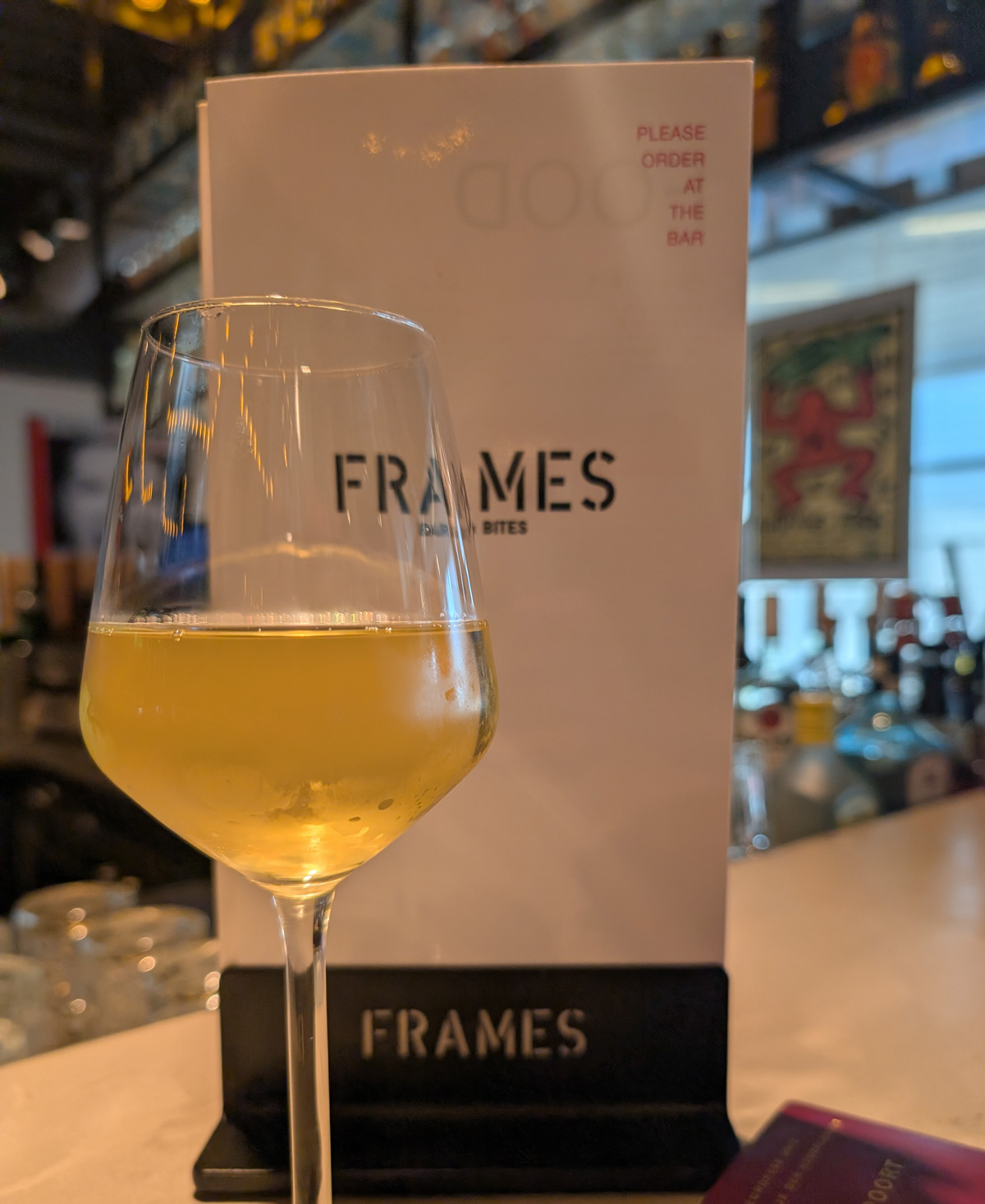
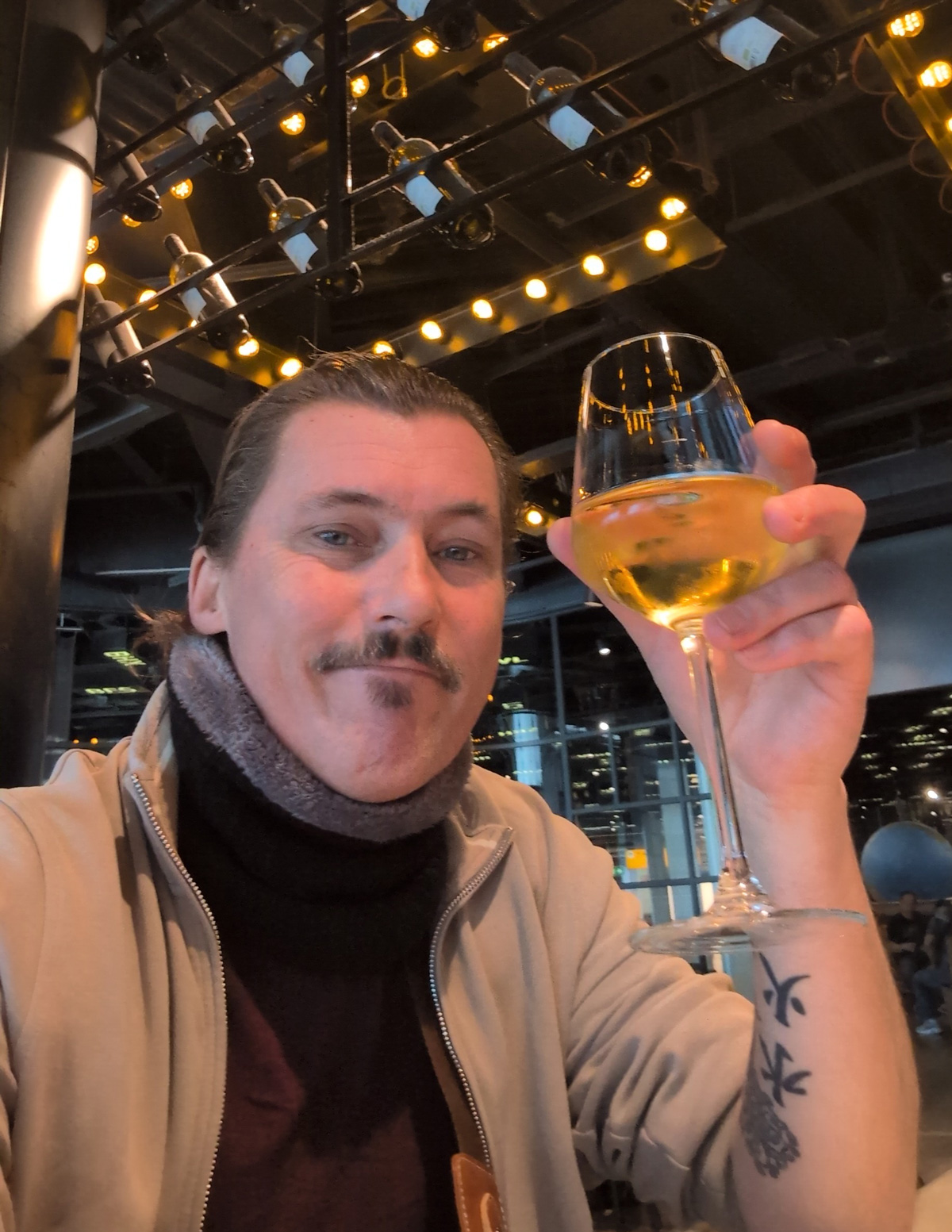
As usual, my personal driver, Jelle-san, dropped me off at Amsterdam Airport Schiphol. After checking in, I headed to my favorite pre-flight ritual: a place called Frames, known mainly for overpriced drinks and airport atmosphere. Back when I first started traveling to Japan, there was still a smoking area there. Those days are long gone — at least in The Netherlands.
After two glasses of white wine, I slowly made my way to the gate and soon boarded the plane for the fourteen-hour journey to Narita International Airport. The flight was turbulent enough to prevent any real sleep. Somewhere over Siberia the cabin had fallen into that strange long-haul silence: flickering movie screens, half-finished drinks, and people existing in suspended time zones. By the time we started descending into Japan, my body had no idea what hour it was anymore.
After crossing eight time zones, I arrived at Narita exhausted but excited. Because I had already completed the customs procedures online, getting through the airport was surprisingly quick. In the main lobby, I took a moment to grab a drink and freshen up before continuing toward Tokyo, where I would stay in the Otsuka area for the first part of the trip.
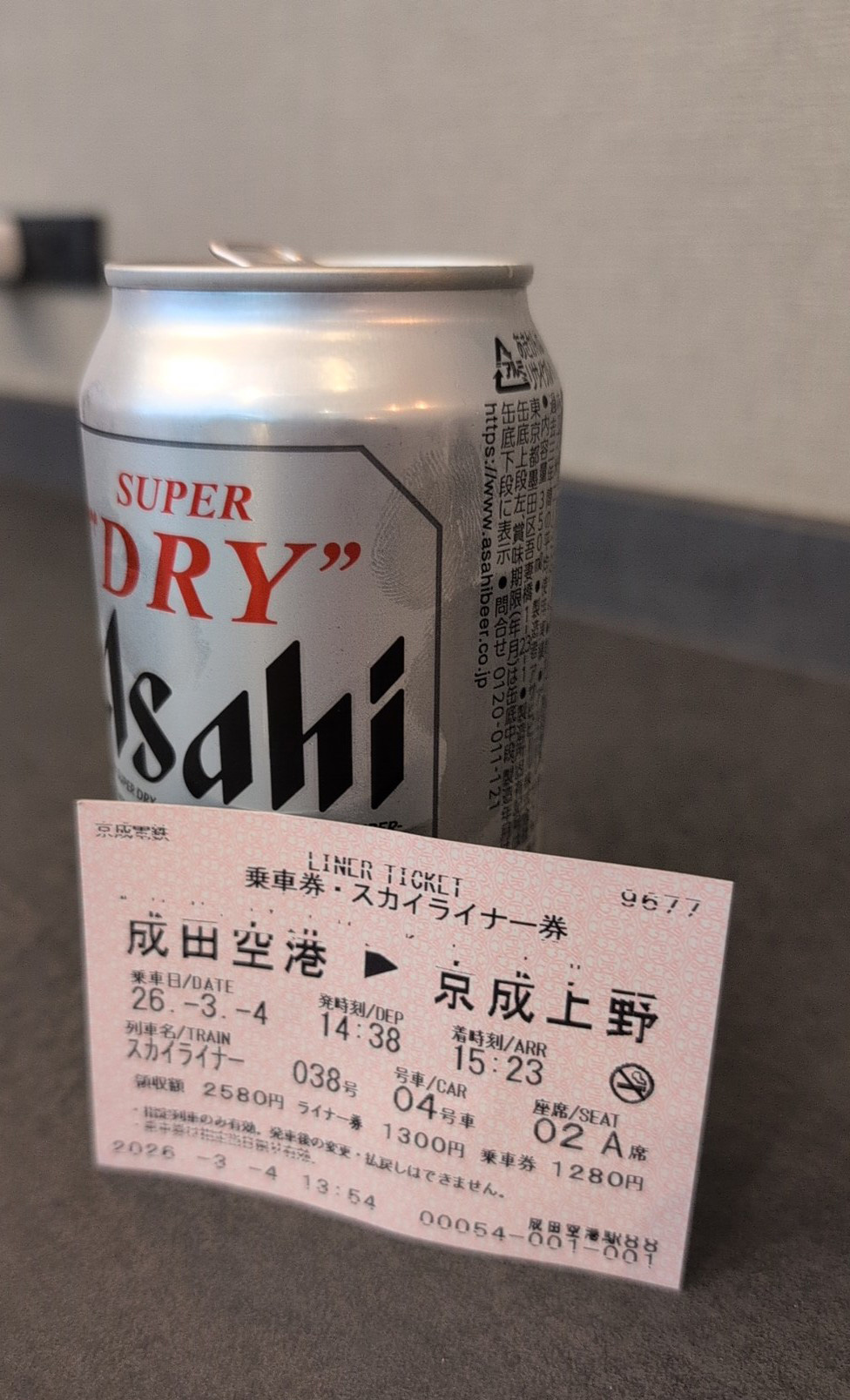
Even after so many visits, arriving in Tokyo still gives me the same feeling. The organized movement of people, the station melodies, the spotless platforms, the quiet precision of everything around you — it immediately pulls me into a completely different rhythm. I took the Keisei Skyliner to central Tokyo and changed at Nippori Station to the Yamanote Line. From there it was only a short ride to Otsuka.
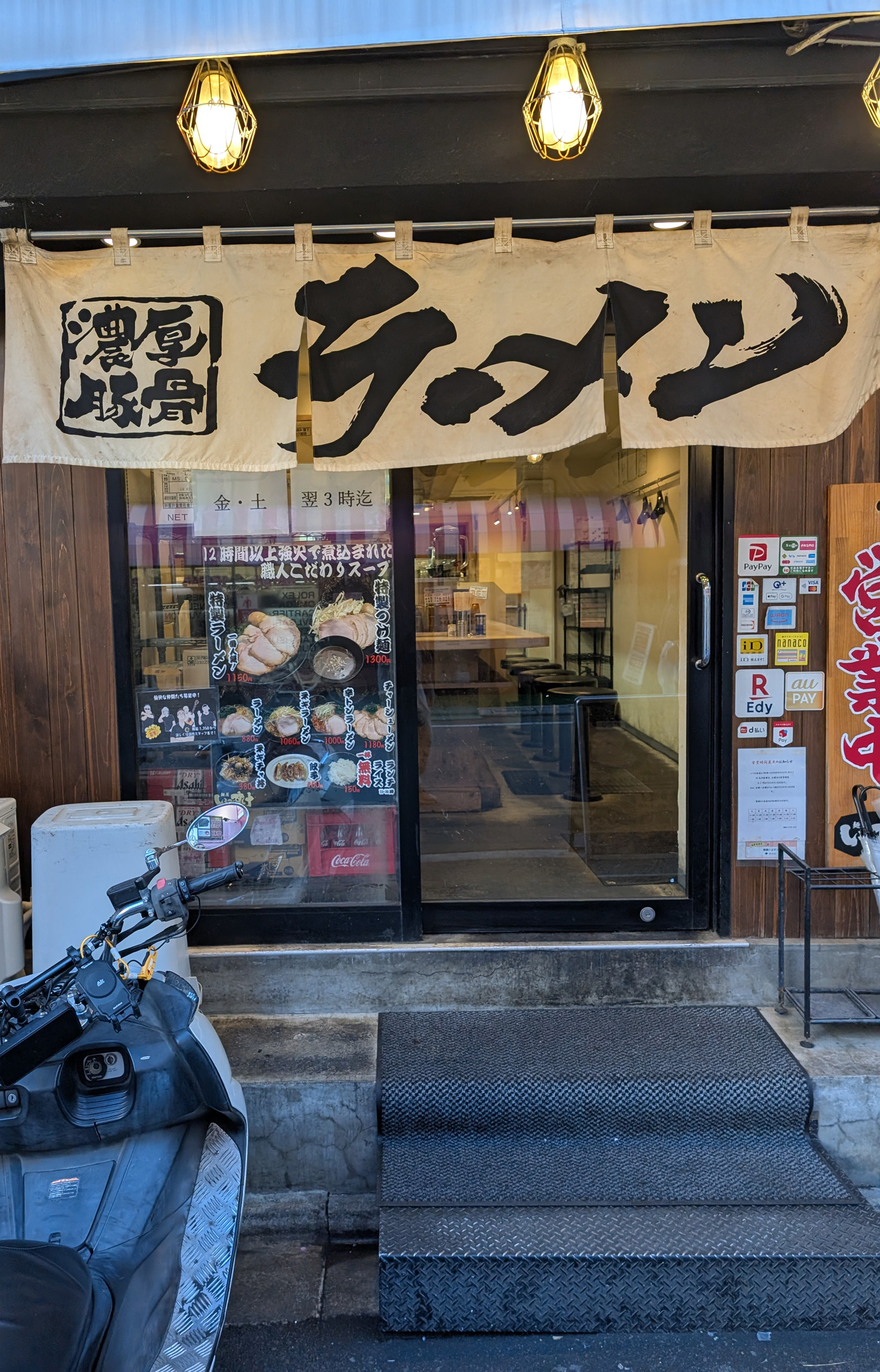
My hotel was just a few minutes from the station. After dropping off my bags, I immediately went for my first bowl of ramen at a favorite local spot I had discovered on earlier trips. The place was tiny and mostly local, filled with the sound of slurping noodles, clattering bowls, and the low hum of conversation. Luckily the ticket machine also had English options.
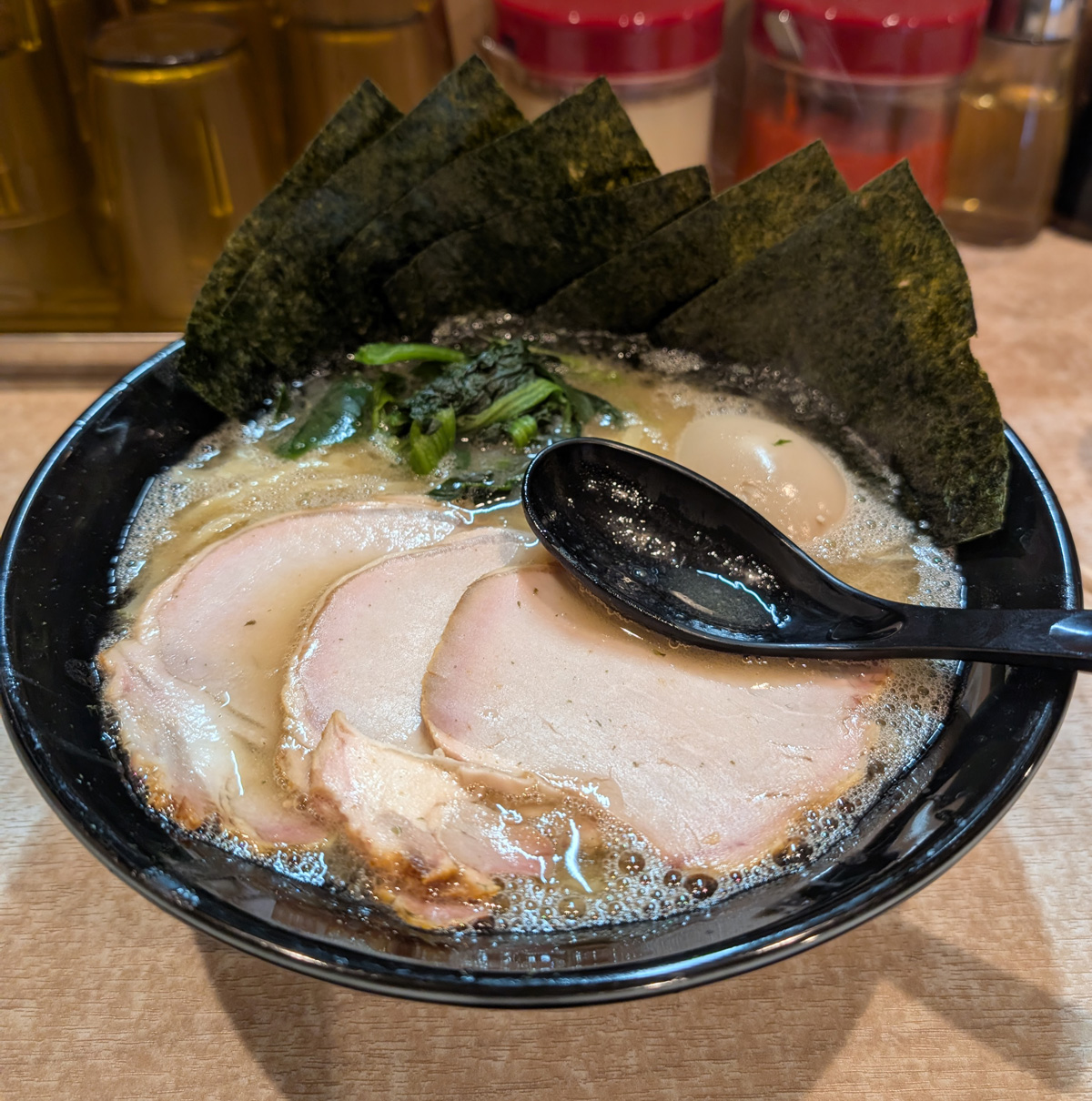
I ordered the full setup — extra toppings, the whole nine yards.
1,150 yen. About six euros. An absolute steal.
Steam rose from the bowl while the cook shouted orders toward the kitchen. Outside, people hurried through the cold spring air beneath glowing signs and tangled overhead cables.
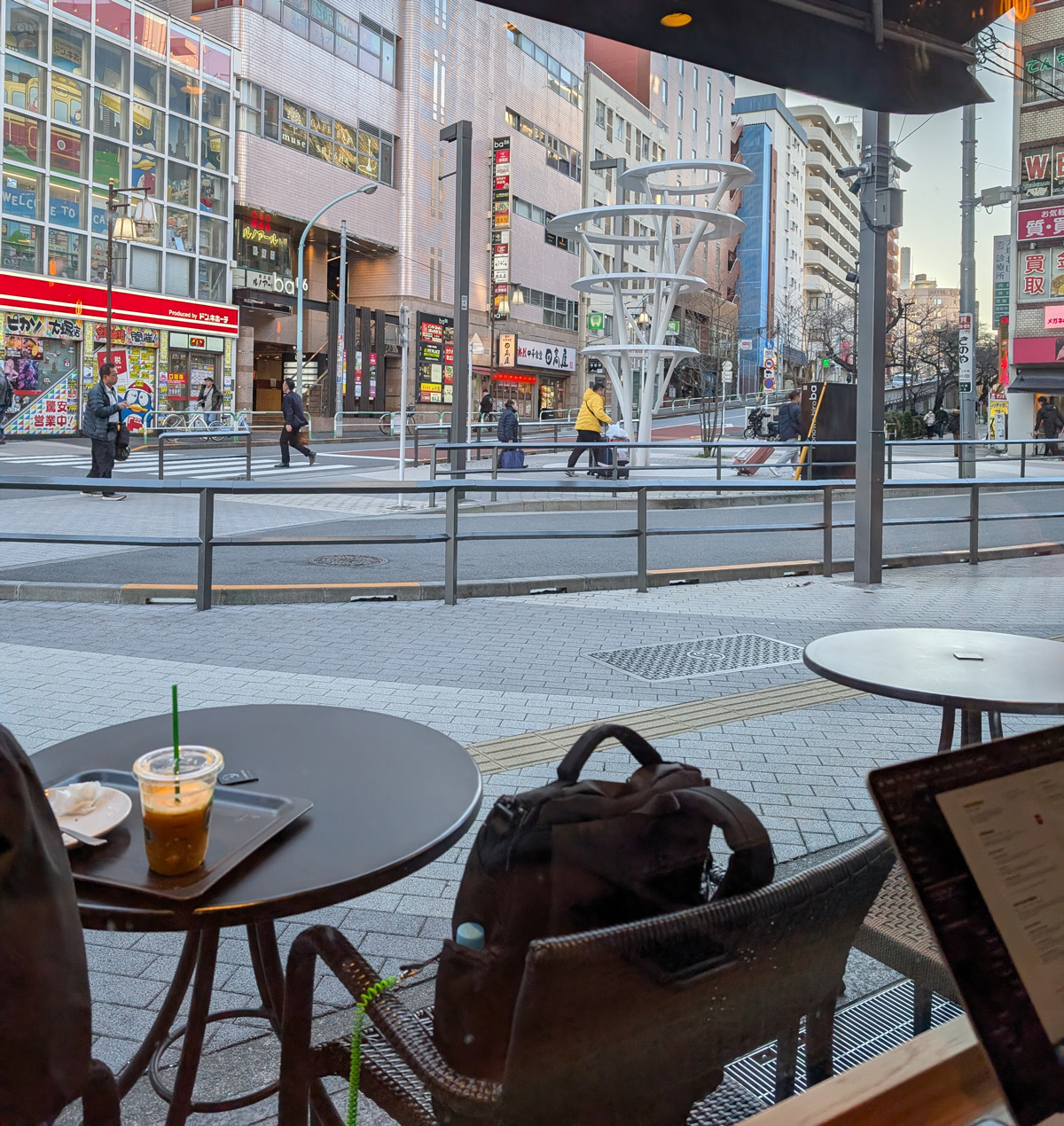
After finishing every last drop, I walked a few doors down to my regular Starbucks. The weather was cold but clear, so I found a seat inside and ordered an espresso while watching people move through the streets outside. Salarymen hurried toward the station, cyclists passed silently through narrow streets, and snippets of station announcements drifted through the automatic doors every few minutes.
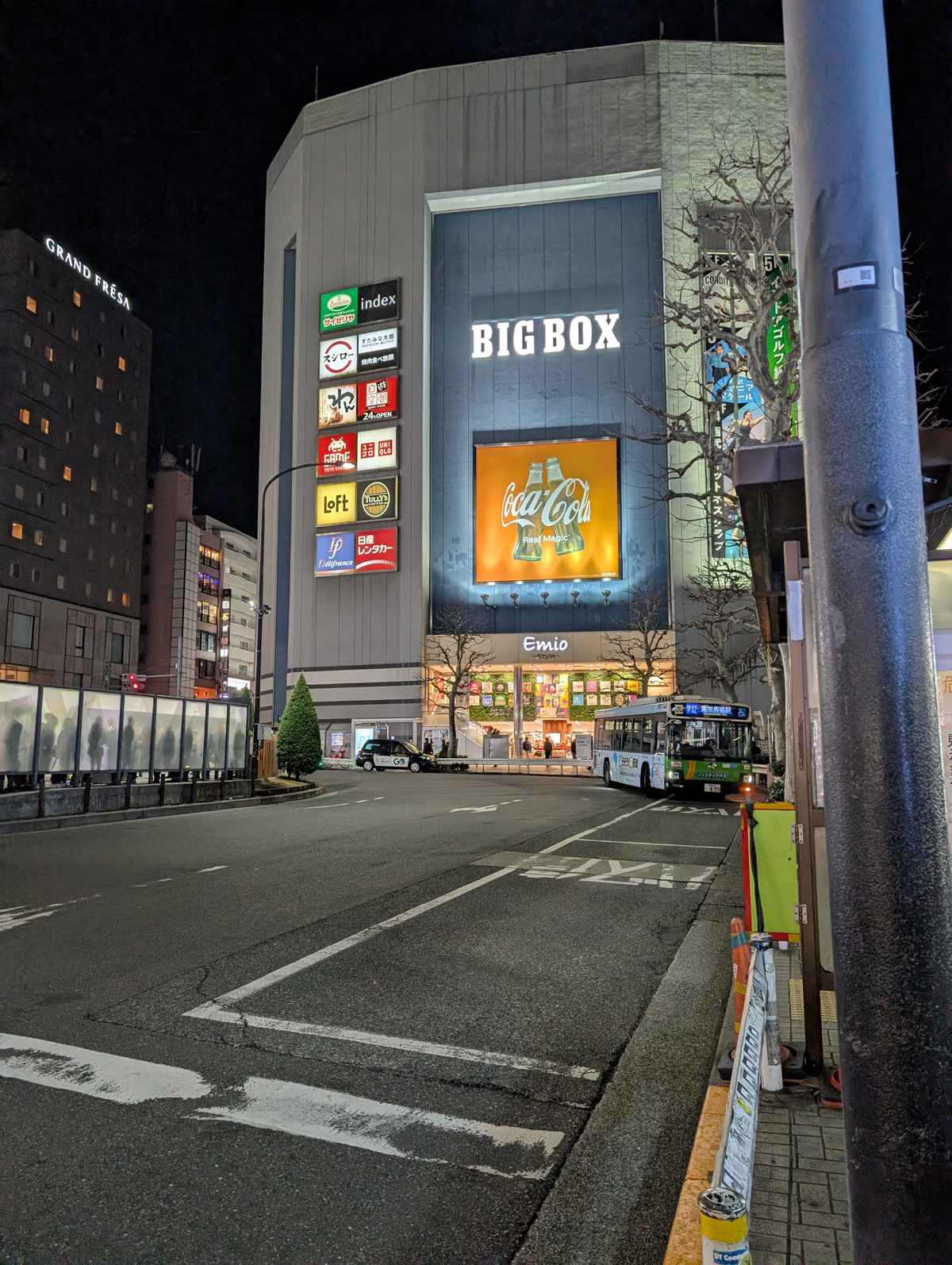
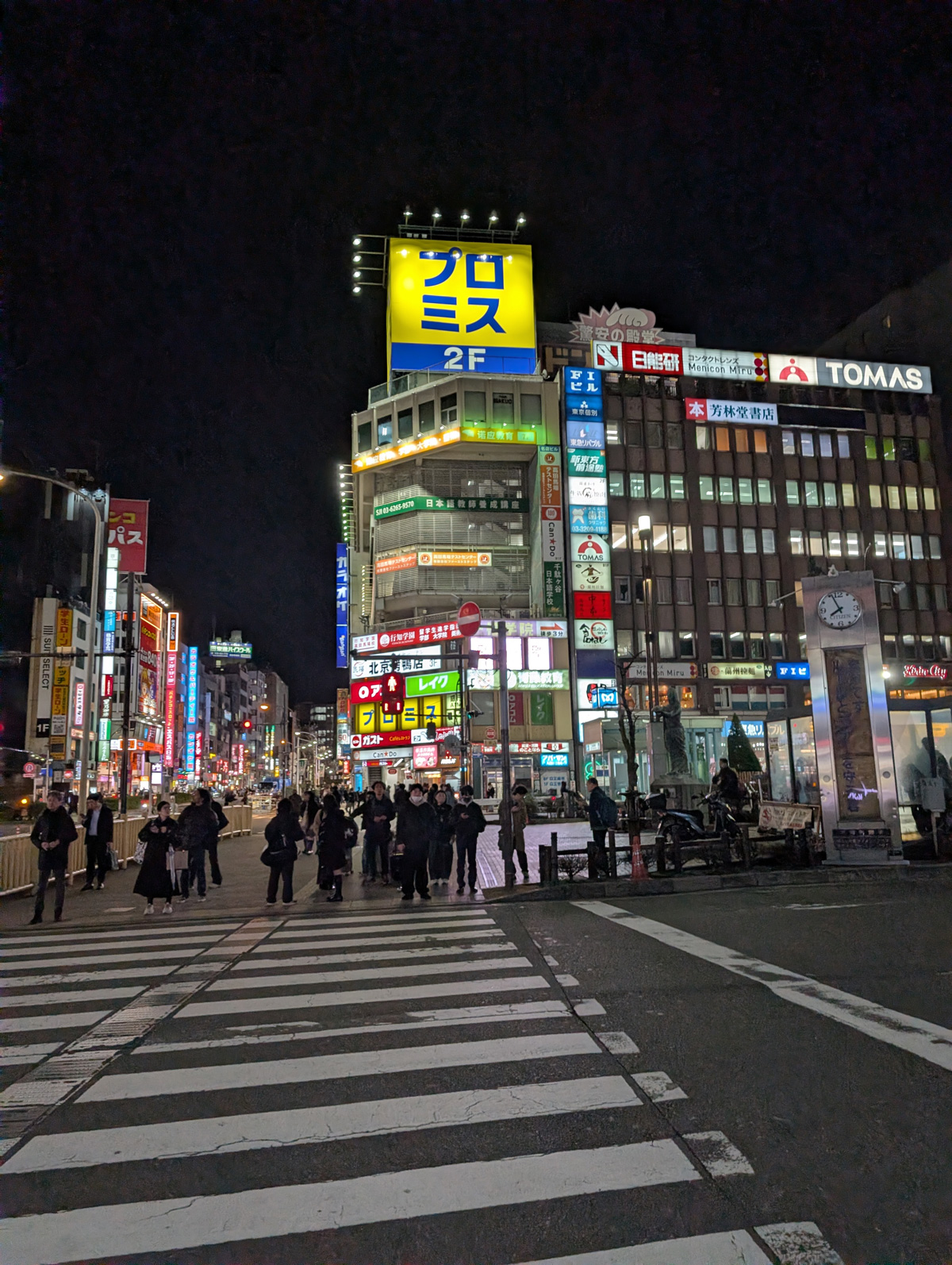
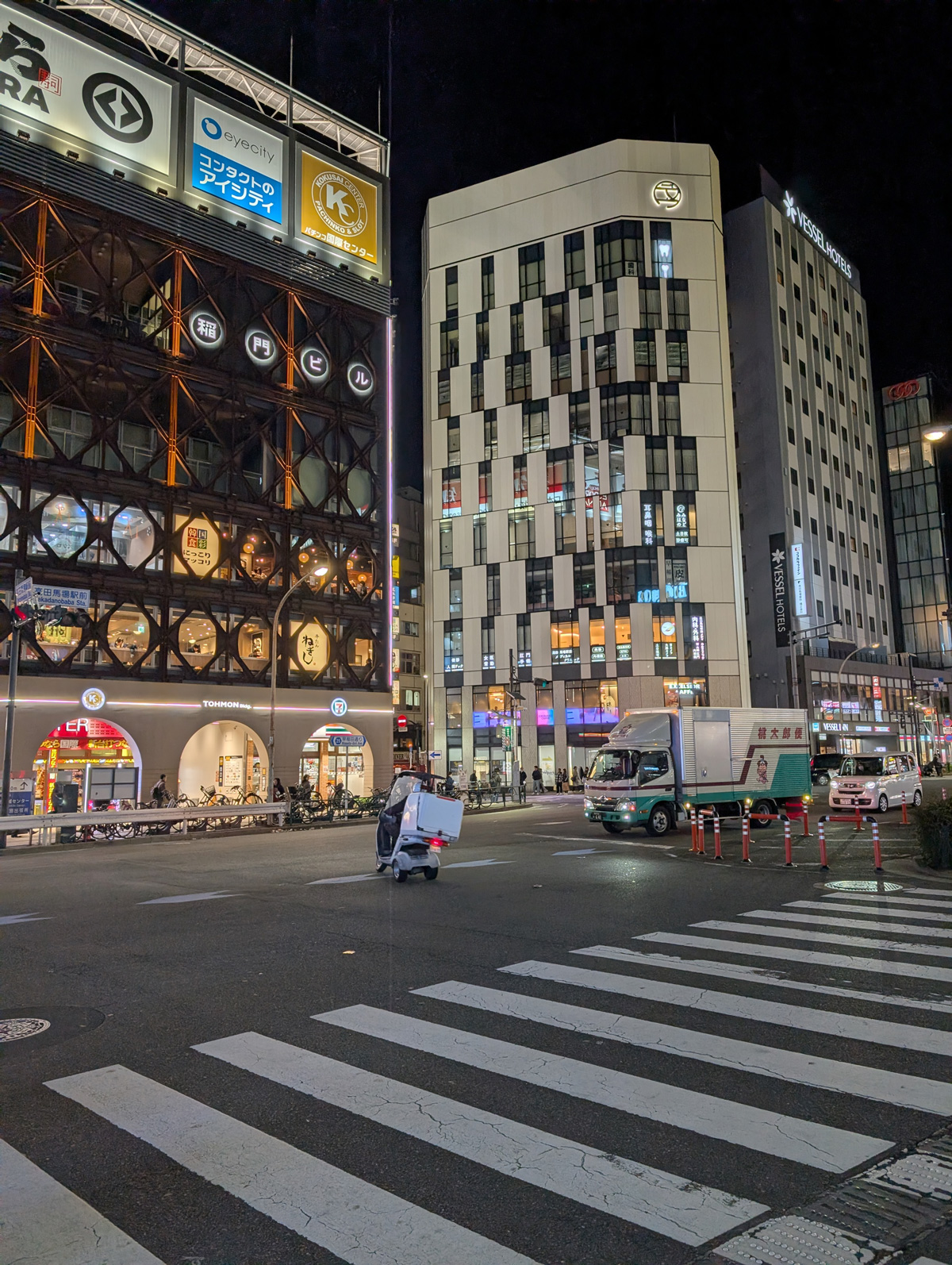
Later that evening I contacted my pianist, Yanagi-san, to see whether he was playing somewhere. Of course he was. He had a gig near Takadanobaba Station, an area I know well from earlier trips.
Takadanobaba is also home to Intro, a famous late-night jam session spot where young musicians sharpen their axes and I played there years ago. Passing by on the way to the venue, curiosity got the better of me and I climbed the stairs to take a quick look inside. The place was packed.
Even the hallway was filled with musicians carrying instrument cases and cigarettes, talking quietly while waiting for their turn to play. From inside came the distant sound of a ride cymbal and a tenor saxophone cutting through the room.
Finding Yanagi’s venue took a little effort. Japan has countless buildings stacked with bars, restaurants, rehearsal rooms, and tiny music clubs hidden on upper floors behind nearly invisible entrances. Eventually I asked a local guy standing outside smoking. Cigarette smoke drifted upward into the cold night air while he checked the address on his phone and pointed me in the right direction.
It was great seeing Yanagi again. The band had already started playing when I arrived, but the owner welcomed me in and found me a seat while drinks started appearing almost immediately. The room itself was classic Tokyo jazz club atmosphere: dim lights, close tables, cables running across the floor, handwritten posters on the walls. Yanagi had developed enormously since the last time I saw him. Being the youngest member — the eternal Benjamin of the band — his musical growth was impossible to miss, and I really enjoyed hearing him play.
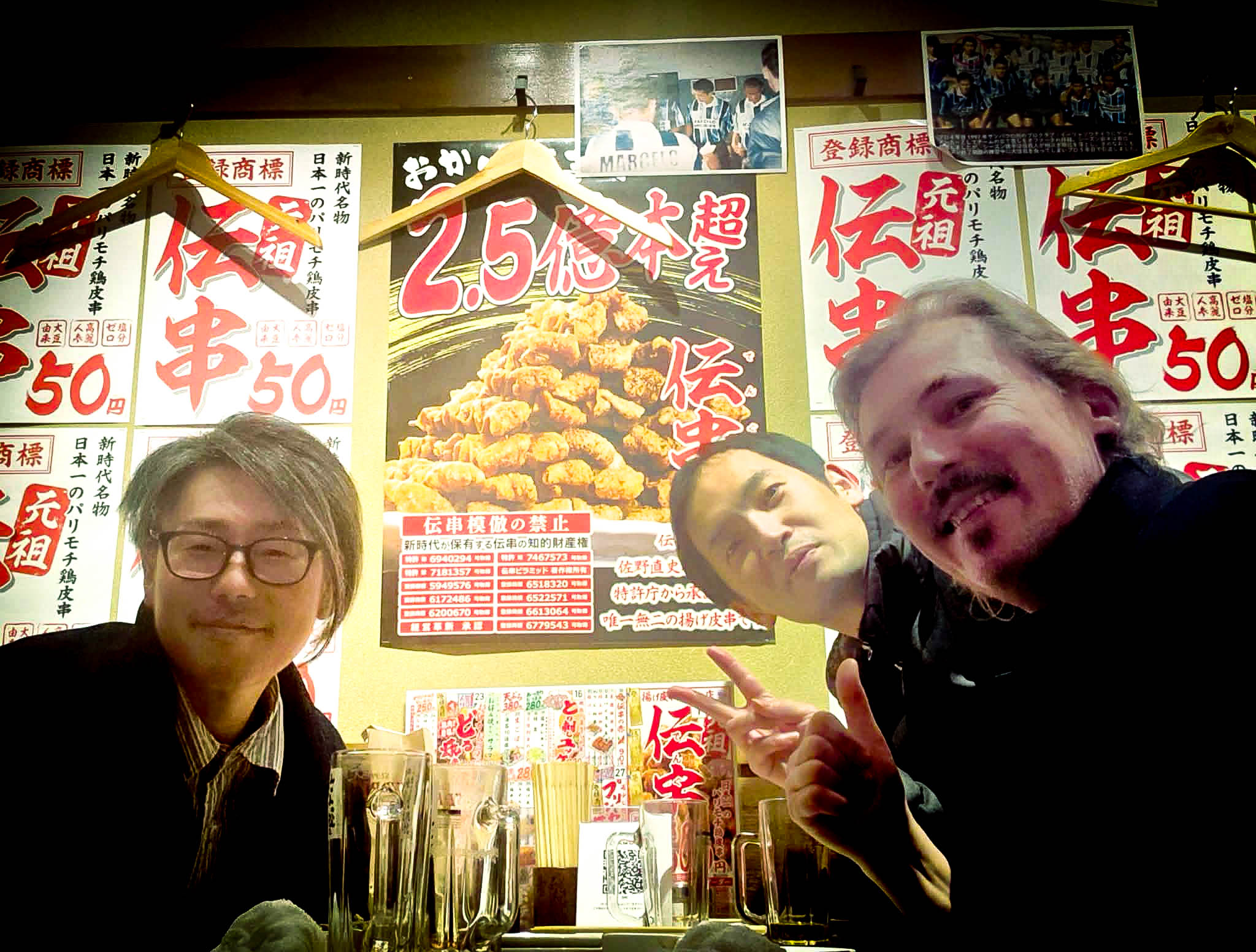
At the same time I was messaging my tenor player, Yuki Nakae. He had been teaching nearby and was studying some of the new material I had written. After the gig he joined us, and together we headed to a small izakaya for food and drinks. The night slowly dissolved into one of those classic Tokyo musician evenings: drinking beer, sharing small plates, discussing harmony, upcoming gigs, life, and music.