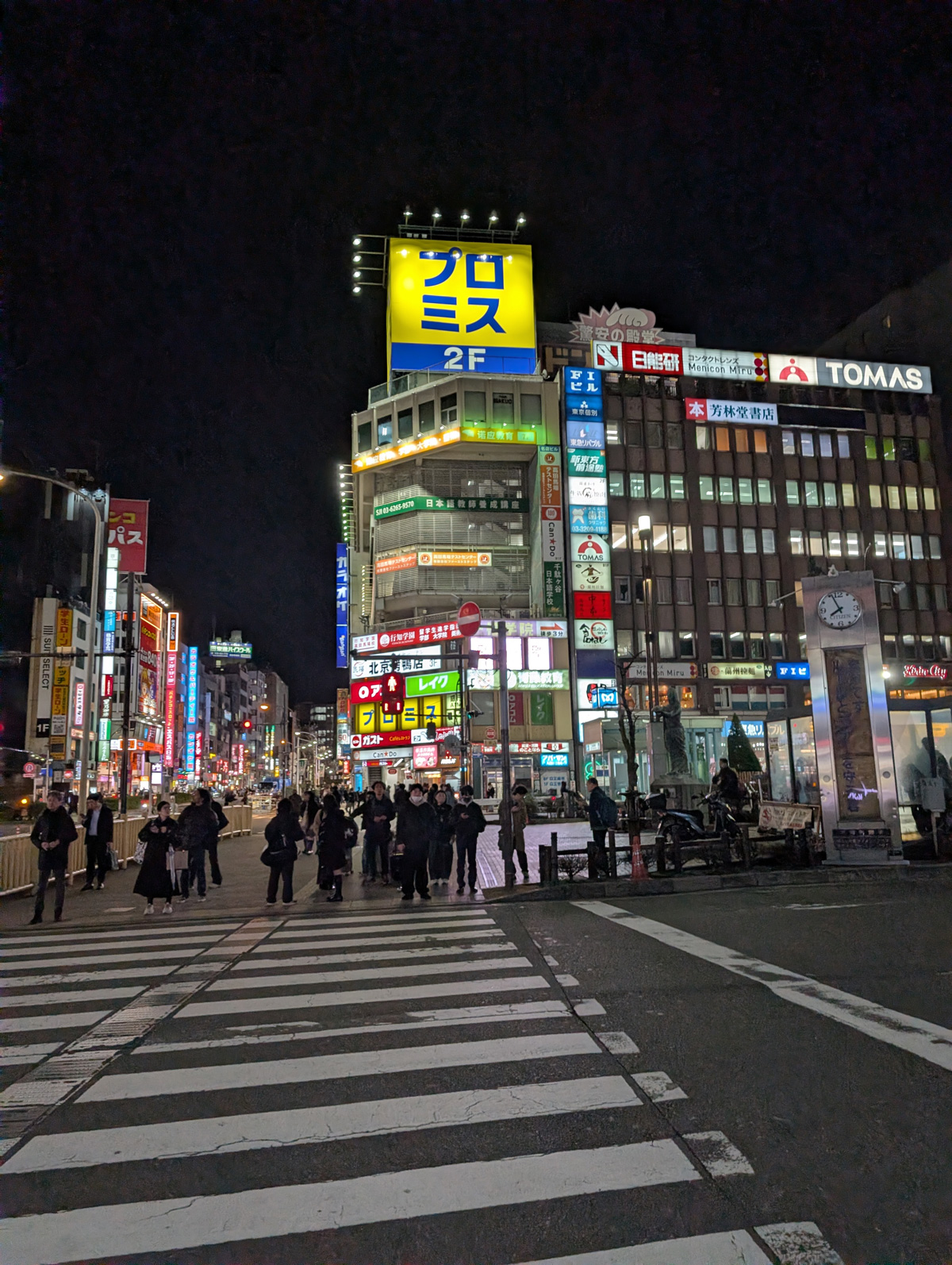
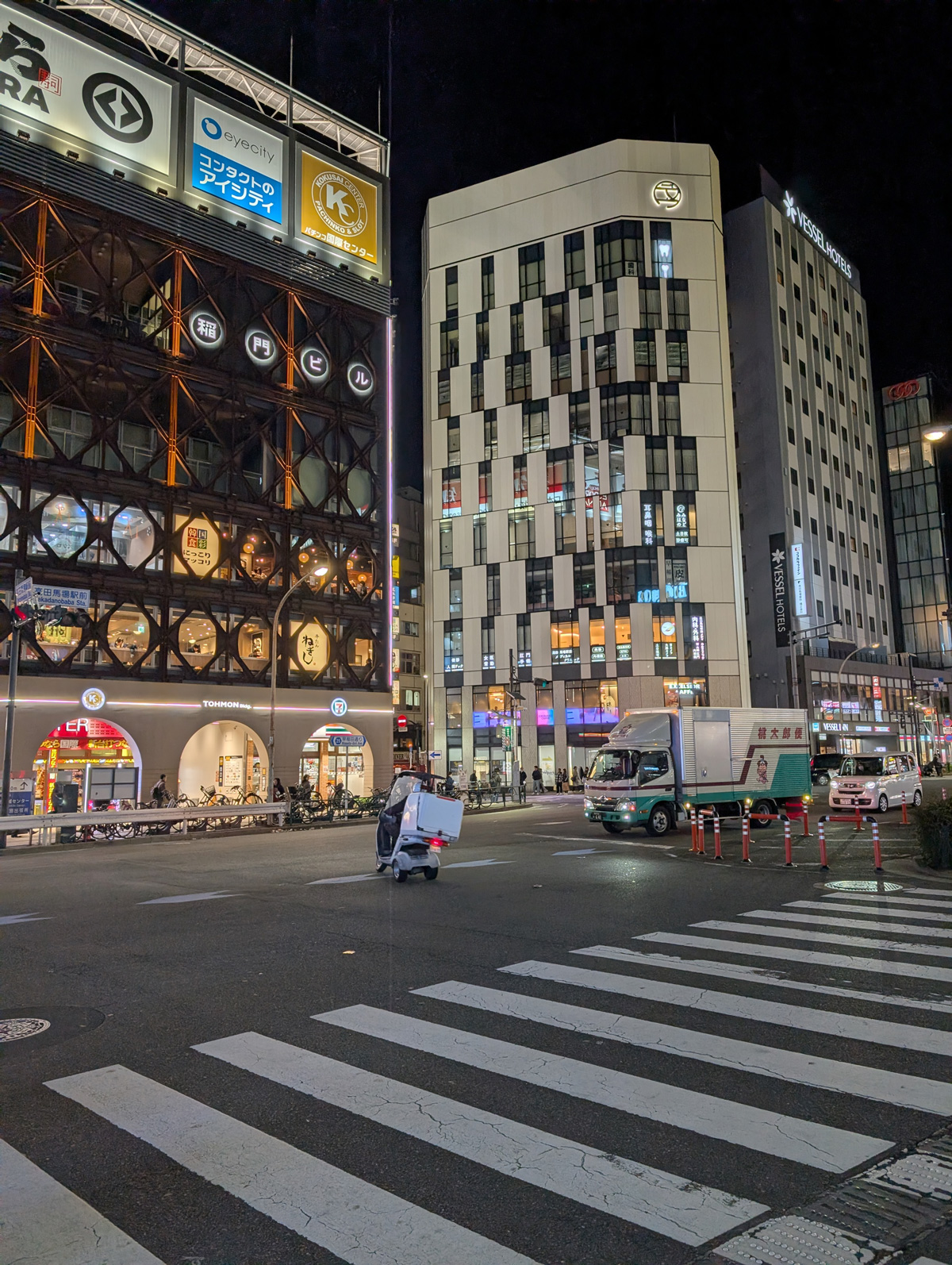
Even after so many visits, arriving in Tokyo still gives me the same feeling. The organized movement of people, the station melodies, the spotless platforms, the quiet precision of everything around you — it immediately pulls me into a completely different rhythm.
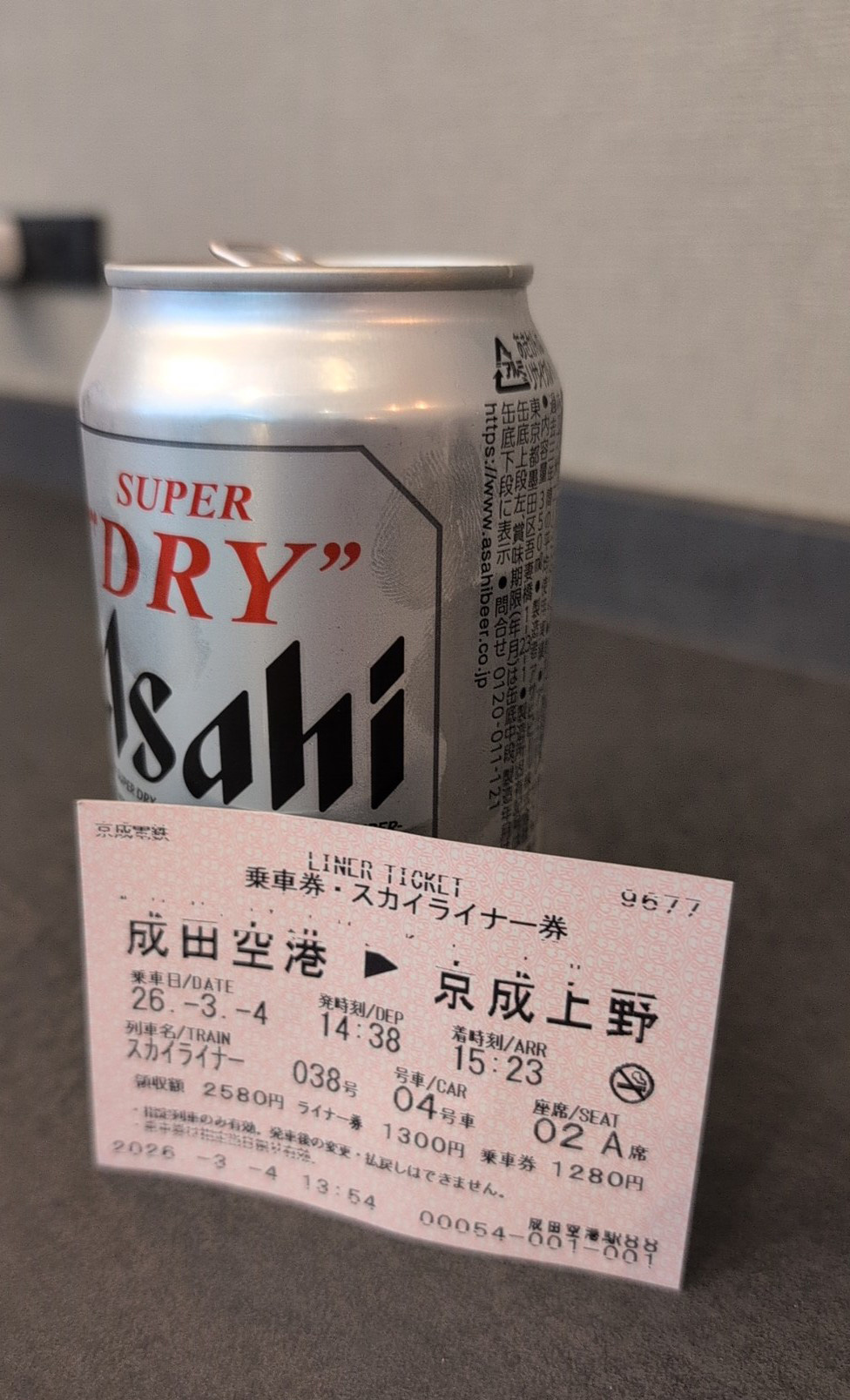
I took the Keisei Skyliner to central Tokyo and changed at Nippori Station to the Yamanote Line. From there it was only a short ride to Otsuka.
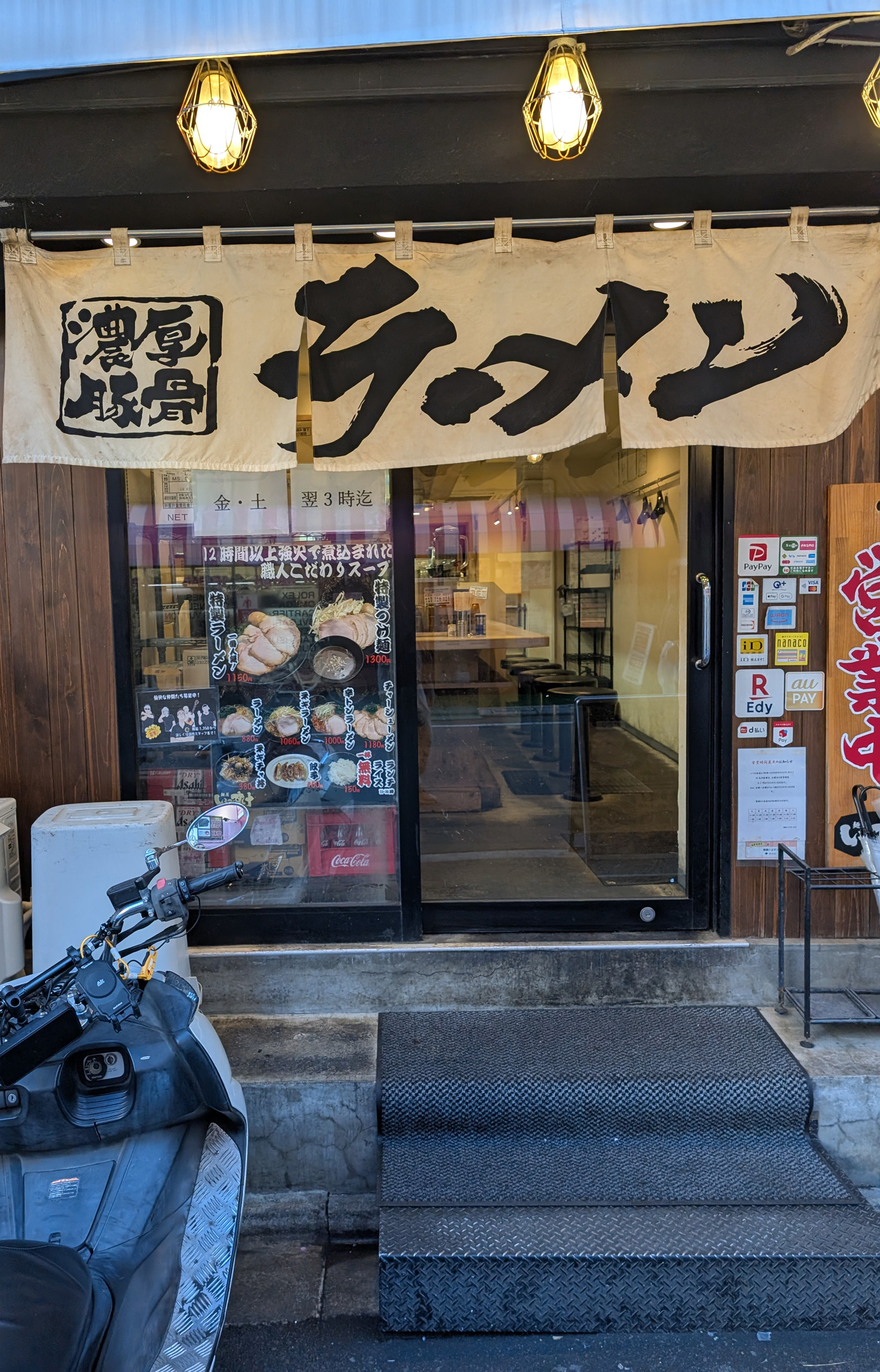
My hotel was just a few minutes from the station. After dropping off my bags, I immediately went for my first bowl of ramen at a favorite local spot I had discovered on earlier trips. The place was tiny and mostly local, filled with the sound of slurping noodles, clattering bowls, and the low hum of conversation.
Luckily the ticket machine also had English options.
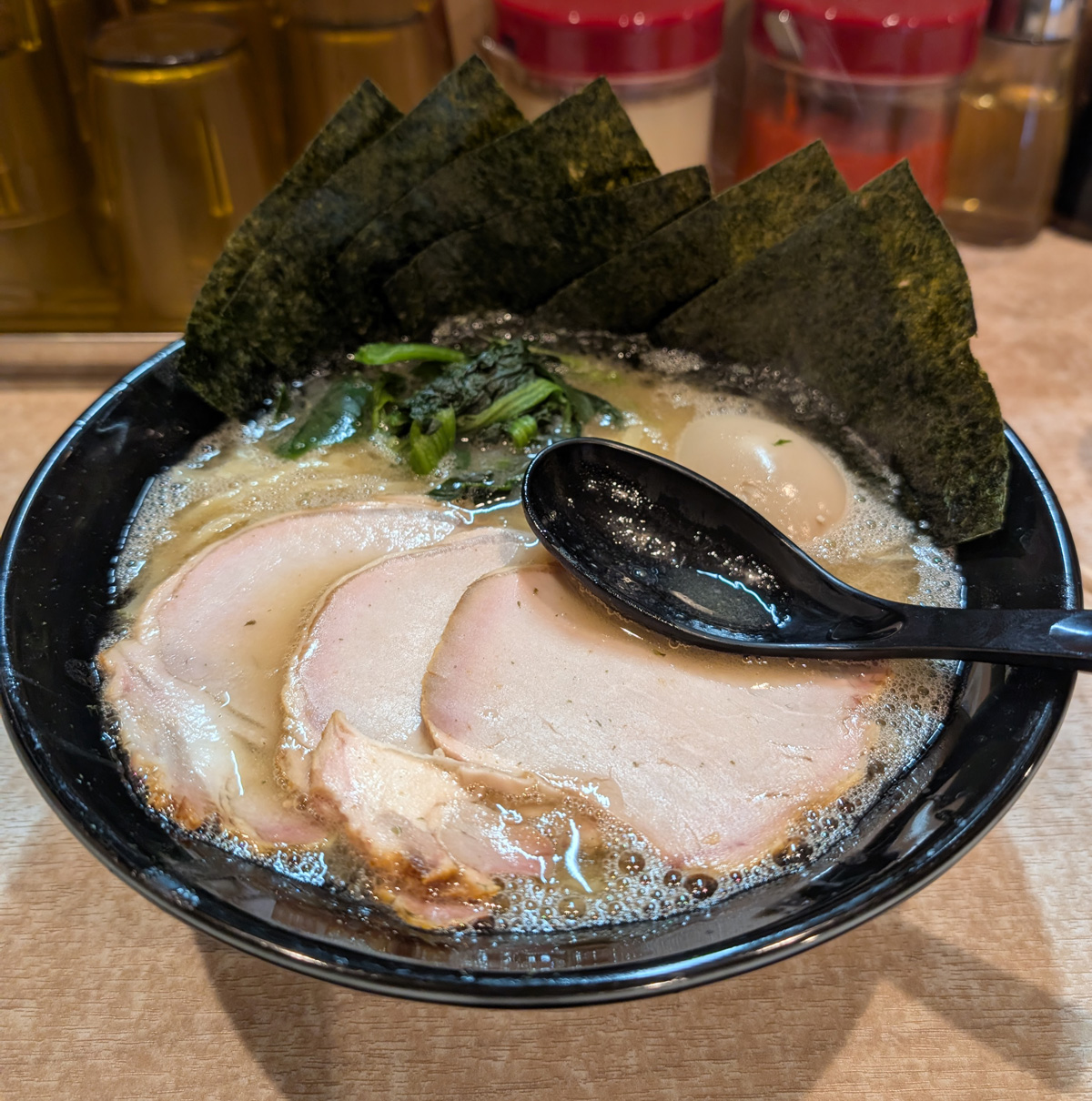
I ordered the full setup — extra toppings, the whole nine yards.
1,150 yen. About six euros. An absolute steal.
Steam rose from the bowl while the cook shouted orders toward the kitchen. Outside, people hurried through the cold spring air beneath glowing signs and tangled overhead cables.
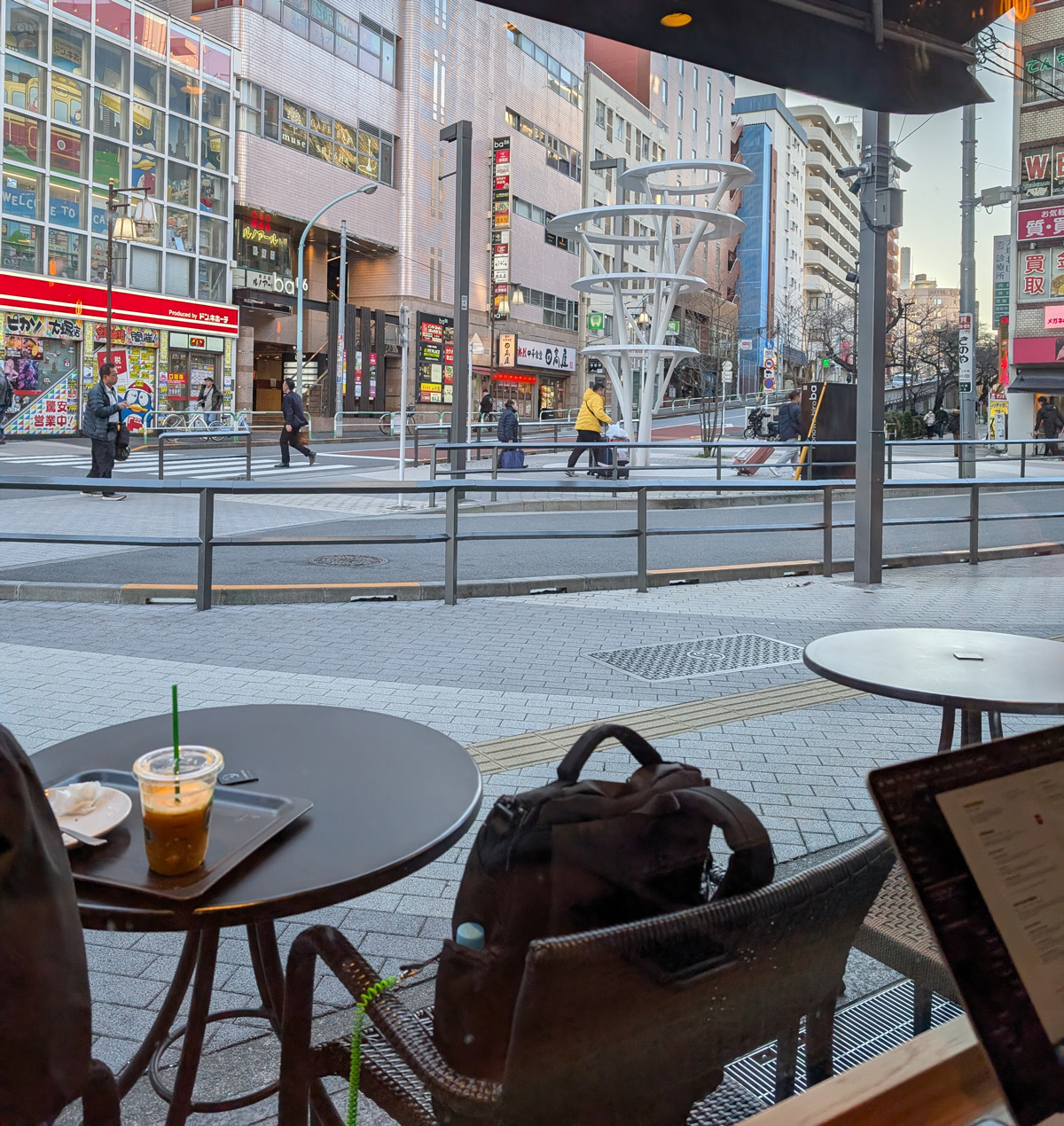
After finishing every last drop, I walked a few doors down to my regular Starbucks. The weather was cold but clear, so I found a seat inside and ordered an espresso while watching people move through the streets outside. Salarymen hurried toward the station, cyclists passed silently through narrow streets, and snippets of station announcements drifted through the automatic doors every few minutes.
Later that evening I contacted my pianist, Yanagi-san, to see whether he was playing somewhere. Of course he was. He had a gig near Takadanobaba Station, an area I know well from earlier trips.
Takadanobaba is also home to Intro, a famous late-night jam session spot where young musicians sharpen their axes. Passing by on the way to the venue, curiosity got the better of me and I climbed the stairs to take a quick look inside.
The place was packed.
Even the hallway was filled with musicians carrying instrument cases and cigarettes, talking quietly while waiting for their turn to play. From inside came the distant sound of a ride cymbal and a tenor saxophone cutting through the room.
Finding Yanagi’s venue took a little effort. Japan has countless buildings stacked with bars, restaurants, rehearsal rooms, and tiny music clubs hidden on upper floors behind nearly invisible entrances. Eventually I asked a local guy standing outside smoking. Cigarette smoke drifted upward into the cold night air while he checked the address on his phone and pointed me in the right direction.
It was great seeing Yanagi again. The band had already started playing when I arrived, but the owner welcomed me in and found me a seat while drinks started appearing almost immediately.
The room itself was classic Tokyo jazz club atmosphere: dim lights, close tables, cables running across the floor, handwritten posters on the walls. Yanagi had developed enormously since the last time I saw him. Being the youngest member — the eternal Benjamin of the band — his musical growth was impossible to miss, and I really enjoyed hearing him play.
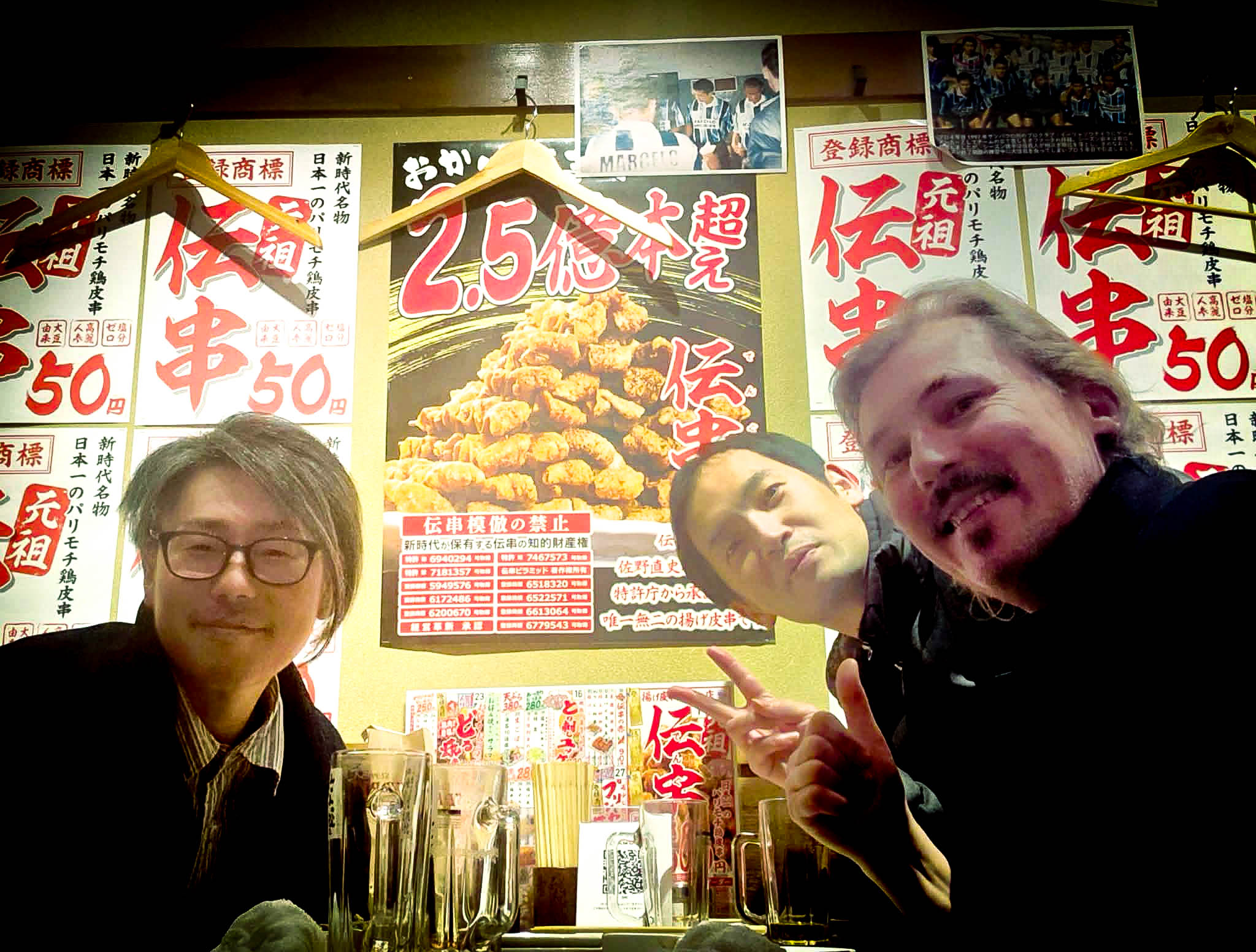
At the same time I was messaging my tenor player, Yuki Nakae. He had been teaching nearby and was studying some of the new material I had written. After the gig he joined us, and together we headed to a small izakaya for food and drinks.
The night slowly dissolved into one of those classic Tokyo musician evenings: drinking beer, sharing small plates, discussing harmony, upcoming gigs, life, and music.
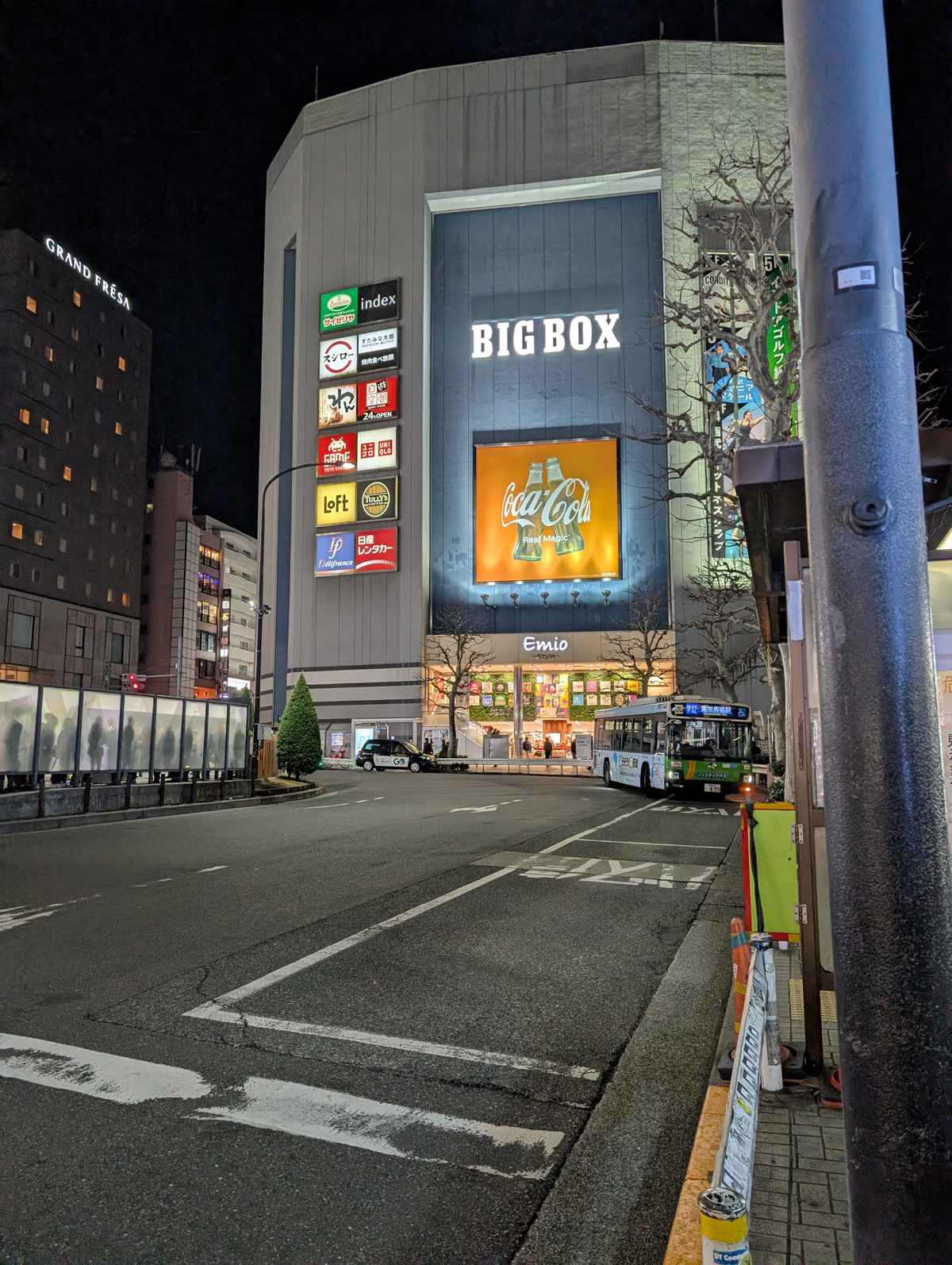
Outside, the streets had become quieter. Neon reflections shimmered on wet pavement while groups of late-night office workers drifted between bars under the glow of vending machines and convenience stores.
By the time we stepped back outside, public transport had already stopped running.
Yanagi helped me flag down a taxi and explained to the driver where I needed to go. The driver turned out to be incredibly friendly, spoke surprisingly good English, and immediately started joking with me during the ride back to Otsuka.
As we drove through the nearly empty streets of Tokyo, jazz radio played softly through the speakers while the city moved past the windows in silence.
Technically, it was already the next day.
And later that evening, we would play the first gig of the tour at Salt Peanuts.